What Does a Logo Mean? Meanings, Placement & More
Learn what a logo means, how to place it on a shirt, what symbols like ® mean, and how logos relate to sales and branding.
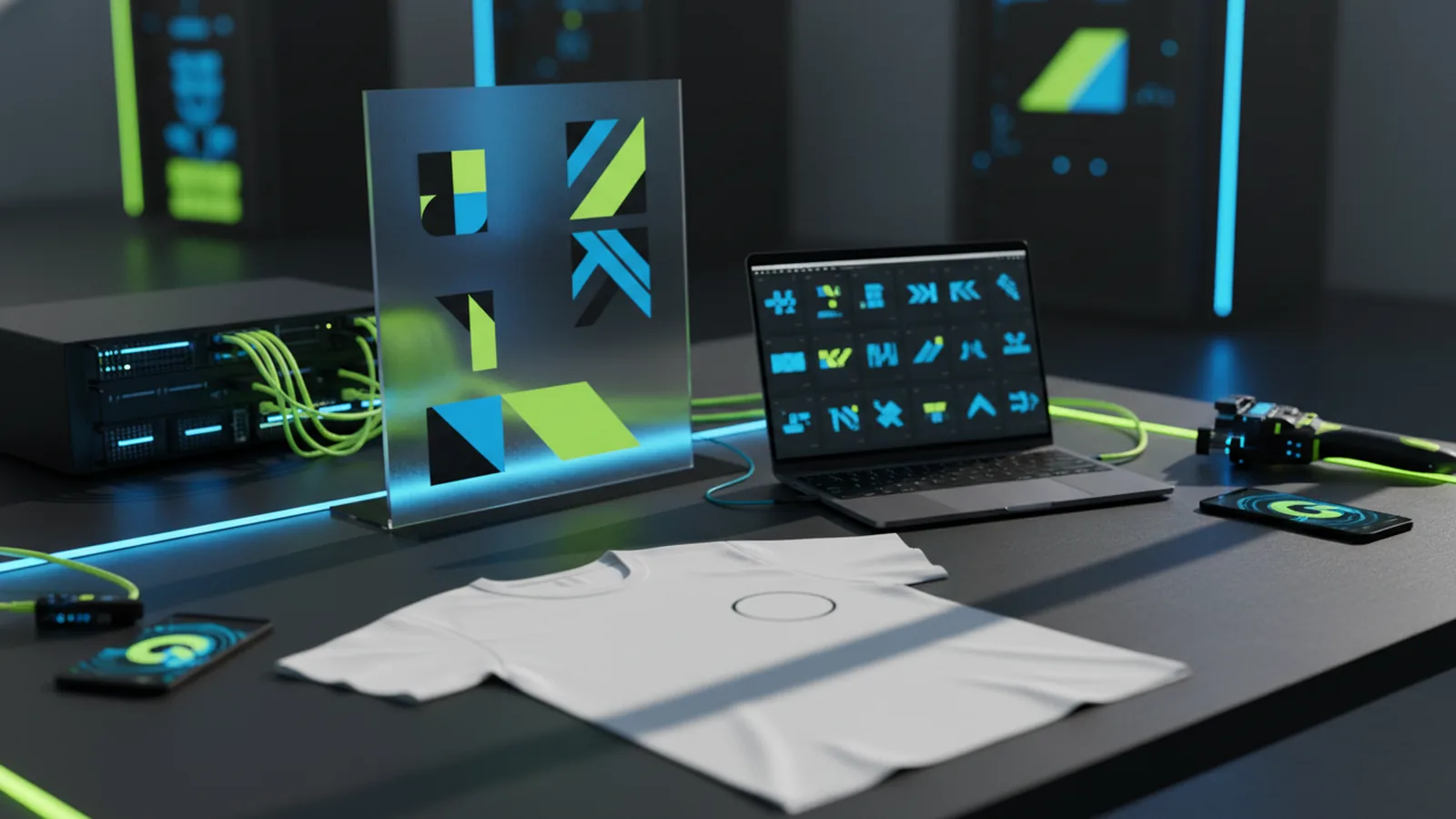
What does logo mean, and what does a logo stand for?
A logo is a visual mark that helps people recognize a brand. It can be a symbol, a wordmark, or both. Many logos also carry meaning through color, shape, and style. That meaning is not always literal, but it is usually intentional.
When people ask what does logo mean, they often want two things. First, they want the job of a logo in branding. Second, they want the story behind the design choices.
In practice, a logo stands for your company’s identity. It signals trust, quality, and consistency across channels. If your logo looks familiar, customers feel less risk when buying.
- Recognition: makes your brand easier to spot
- Positioning: hints at your style and audience
- Consistency: keeps your marketing looking unified
- Value support: helps sell the experience, not just the product
What does “logo” mean in everyday branding?
The word “logo” is short for “logotype” or “logogram” in common usage. People also use it to mean the full brand mark. That can include icons, letters, and trademark symbols. So what does a logo mean depends on how you use the mark.
Some logos are mainly visual identifiers. Others are built to express values. For example, rounded shapes can feel friendly. Sharp angles can feel bold and modern.
Color also carries expectations. Blue often signals calm and trust. Red often signals energy and urgency. The key is that your logo should match your real experience, not just a design trend.
What side does a logo go on a shirt?
The quick answer is: it depends on how you want it to look and how your shirt design is used. There is no single universal rule for every industry. However, most placements follow predictable patterns that feel balanced and professional.
When people ask what side does logo go on a shirt or what side does the logo go on a shirt, you will usually hear two common placements. The left chest is the most typical for business wear. The right chest is also used, especially in team or promotional styles.
If you are deciding where the logo goes on shirt layouts, consider how the shirt will be worn. If the logo is for branding, left chest often reads well during everyday use. If the logo is part of a set with other marks, you may need spacing rules so everything stays clear.
- Left chest: most common for uniforms and corporate shirts
- Right chest: common for sports, campaigns, and special editions
- Center front: bold look, often for larger prints
- Back: best for full branding or event details
Where does the logo go on a shirt, and how do you choose?
For where does the logo go on a shirt decisions, start with the product type. A polo, button-down, and hoodie can all feel different at the same size and position. Fabric texture also affects how crisp the logo looks.
Next, think about the size of the print. A small emblem often works best on the left chest. A wider mark often works on the back so it does not feel cramped. Your printer or embroidery partner can help with minimum sizes that still look sharp.
Finally, check your brand system. If you already have a style guide for web and social, reuse the same proportions. That keeps your logo feeling like one brand across everything.
| Shirt placement | Best for | Common size goal |
|---|---|---|
| Left chest | Company uniforms, polos, everyday wear | Small to medium mark |
| Right chest | Campaign tees, sports kits, special releases | Small mark with good spacing |
| Back center | Events, strong brand presence, larger logos | Medium to large print |
| Upper back | Subtle branding without blocking movement | Small mark |
Does your logo have to match your business name?
No, your logo does not have to match your business name exactly. Many brands use a symbol, a mascot, or an abstract icon instead of spelling the company. As long as customers can connect the mark to your business over time, you are good.
That said, the relationship should be clear. A logo that feels disconnected from your name can slow recognition. If you want faster trust, a wordmark style or an icon plus initials often helps.
When people ask does your logo have to match your business name, the real goal is clarity. Your logo should reflect your identity in a way that is easy to remember.
- Wordmark: name is the logo, fast to understand
- Symbol: icon leads, name supports below
- Icon plus text: best of both worlds for most brands
What does the ® symbol mean next to a logo?
Trademark symbols matter because they communicate legal status. A common question is what does the r logo mean or what does the r next to a logo mean. The ® symbol means the mark is registered with the relevant trademark authority.
In other words, ® signals that the logo or mark is officially registered as a trademark. Many brands use it to discourage misuse and to support enforcement. If you are not registered, using ® can create problems.
If you see a different symbol like ™, that often means the brand claims rights based on use, not registration. Your safest move is to align your mark symbols with your actual status.
What does new logo mean in sales?
In sales, what does new logo mean in sales usually refers to acquiring a new customer account. “Logo” is shorthand for the customer’s brand identity in reporting. Sales teams track new logos to measure growth and pipeline health.
So “new logo” is not about updating your brand design. It is about adding a new company as a customer. This tracking helps teams see whether they are winning new business, not just renewing existing accounts.
If you see this in a dashboard, check the definition in the report. Some teams count by contract start date. Others count by first invoice or first active service.
What does a logo designer do?
A logo designer builds the mark and the system around it. That usually includes sketching ideas, choosing typography, and selecting colors. They also prepare versions for real-world use cases, like websites and signage.
Most designers also think about production. They plan for how the logo will look at small sizes. They plan for embroidery, print, and digital scaling.
Good designers also test the logo. They check contrast, legibility, and consistency across backgrounds. They then deliver files that developers and printers can use without guesswork.
- Collect brand inputs and goals
- Explore concepts through sketches and drafts
- Refine the best direction into a final mark
- Create variations for different placements
- Hand off production-ready files
Common questions about “what does this logo mean”
People often ask, what does this logo mean, when they notice a symbol that feels familiar. In many cases, symbols are chosen because they relate to an idea. A tool, a star, or a wave can point to values like craft, excellence, or movement.
However, logos can also evolve. A symbol that started as a simple shape can become meaningful through repeated use. The brand then teaches the audience what the symbol represents.
If you want to understand a specific logo, check the brand’s style guide or official branding page. For many companies, the design story is shared publicly. Without that, you can still infer meaning from form and color, but it remains a best guess.
Does Jerry West get paid for the logo?
There is often confusion around the NBA logo. The “Logo” is widely associated with Jerry West, but public details can be complex. Questions like does jerry west get paid for the logo come up because people connect the face to the mark.
In many cases, compensation depends on contracts that were negotiated during licensing and branding. Those agreements can include one-time fees or longer-term terms. Public reporting may describe some parts of that story, but it may not cover every scenario.
If you need a precise answer, look for reputable coverage or official statements tied to the original deal. For logo contracts, the exact terms usually live in legal documents.
Key logo meaning takeaways
A logo’s meaning is both design and function. It is the mark people recognize and connect to your experience. It also signals trust through consistent use.
Placement on shirts is usually a practical branding choice. Left chest is the common default for business wear. Still, your product type and print size can guide the best fit.
Finally, trademark symbols like ® communicate registration status. Sales terms like “new logo” usually track new customers. If you understand these basics, you will interpret branding information more accurately.
At-a-glance checklist
- Use a logo to build recognition across channels
- Pick shirt placement based on layout and print size
- Decide if the logo should match your business name style
- Use ® only when the mark is actually registered
- In sales, “new logo” means a new customer account
If you are starting fresh, a logo should be designed as a system, not just a single image.
Frequently asked questions
- What does logo mean in branding?
- A logo is a visual mark that helps people recognize a brand. It can include a symbol, text, or both.
- What side does a logo go on a shirt?
- Most business wear places the logo on the left chest. Other styles may use the right chest or a back placement.
- What does the ® symbol mean next to a logo?
- The ® symbol means the logo or mark is a registered trademark. It should only be used when registration is in place.
- Does your logo have to match your business name?
- No. Many brands use icons or symbols instead of spelling the name. The key is that customers can connect the mark to your business.
- What does new logo mean in sales?
- It usually means a new customer account added by sales. It is tracked separately from renewals and expansions.
- What does a logo designer do?
- A logo designer creates the mark and supporting versions for real use. They also plan for printing, scaling, and consistent brand presentation.
Related reading

Can You Use a Company Logo Without Permission? Legal Implications
Fair use is narrow. Learn logo risks, legal limits, and safer alternatives.
How to Get a Nike Logo for Cricut (SVG + Illustrator)
Get Nike logo SVGs for Cricut or make one in Illustrator, then cut clean with smart settings.

Logo vs Symbol: Definitions, Similarities, and Design Differences
Logo vs symbol: definitions, similarities, and real branding examples.