How to Make Money Online Designing Logos: 7 Practical Strategies

How the logo design market actually works
If you want to learn how to make money online designing logos, start with one truth: businesses keep needing logo help. Every new brand needs an identity, and many small teams move faster than they can hire in-house. This growth shows up in web work too, because websites, product pages, and ads all need consistent branding.
Demand also shifts as logo design trends change. Many buyers want modern looks, but they still need clear brand meaning. That means “pretty” is not enough. Your job is to make symbols and wordmarks that communicate what a company sells, who it serves, and why it matters.
When you understand the market, you can target the right customers. You will sell more easily to people who know they need branding. They may be starting a business, refreshing an outdated look, or launching a new product line.
- Startups often need a logo fast for websites and social profiles.
- Local businesses need simple, readable marks for print and signage.
- E-commerce brands need consistent branding across product pages.

Skills you need to design logos people will pay for
To make money by designing logos, you need more than creative taste. You need production skill, branding knowledge, and enough process discipline to deliver reliably. Most buyers are not designers. They judge your work by clarity, consistency, and how easy the logo is to use.
Software proficiency is the foundation. Adobe Illustrator is common because it supports vector work, which stays crisp when resized. You should also be comfortable with export formats like SVG and PDF. If you can’t deliver clean files, you will lose trust fast.
Next comes branding thinking. A logo should reflect the brand’s personality through shape, type, and color. You also need practical rules like legibility at small sizes and good contrast for dark and light backgrounds.
Finally, build creativity with constraints. Clients want logos that fit their industry and stand out from competitors. Your creativity should produce several strong directions, then converge on one clear final concept.
| Skill area | What it helps you sell |
|---|---|
| Vector design in Illustrator | Sharp logos that scale for print and web |
| Brand principles | Logos with clear meaning, not just decoration |
| Typography basics | Readable wordmarks and confident style choices |
| Client-ready process | Fewer revisions and smoother delivery |
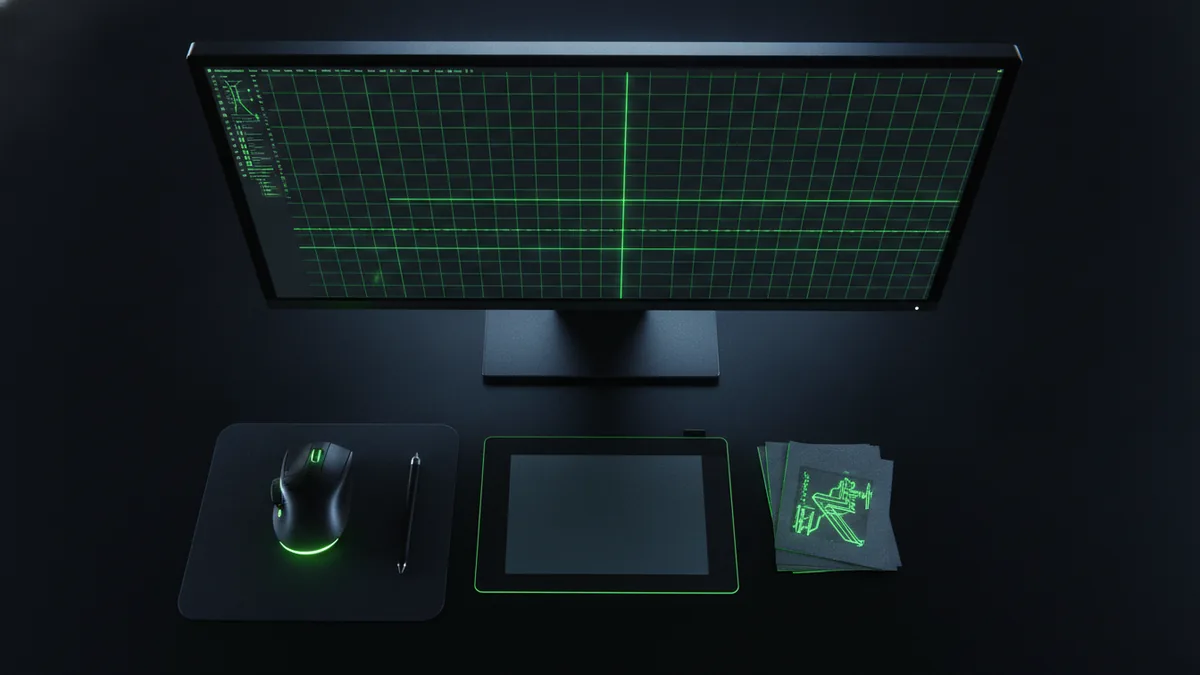
How to create unique, high-quality logo concepts
Unique logos increase demand, and demand supports higher pricing. But uniqueness is not random. It is a result of research, a clear concept, and thoughtful execution. If your logo looks like a template, buyers will compare you to dozens of designers and choose the cheapest option.
Start each project by extracting brand signals. Ask what the business does, who it serves, and what it wants people to feel. Then scan competitor logos in the same category. You are looking for common shapes and styles, so you can choose a different path.
Create multiple concept routes. For example, you might offer one direction with a strong icon-first mark and another with a letter-based wordmark. Even if the client picks one, showing options helps you anchor value.
Then design for real-world use. Test your logo at small sizes, like a favicon size. Check it on light and dark backgrounds. Make sure strokes and spacing stay clean when the logo is reduced.
- Collect brand inputs and competitor patterns.
- Sketch 10 to 20 rough ideas quickly.
- Turn the best two into polished vector concepts.
- Refine the winner with typography and layout consistency.
- Deliver final files and usage-ready versions.

Where to sell your logos, from marketplaces to your own site
If you’re exploring how to make money selling logos, choose a channel that matches your workflow. Some platforms are great for fast sales of digital products. Others fit higher-touch freelance design and custom branding. You can also mix both.
One path is your own website. You can show your creative portfolio, explain your process, and collect inquiries. This works well if you can consistently publish case studies and reach local buyers or niche industries.
Another path is selling through design marketplaces and digital product tools. Marketplaces can help because buyers already browse for assets. You can package logos as premade concepts or themed bundles, then deliver editable files after purchase.
For promotion and discovery, use creative portfolio platforms like Dribbble and Behance. They are not always direct sales channels, but they put your style in front of people who hire. Many designers use these platforms as a top-of-funnel strategy, then close deals through their portfolio site or contact form.
- Personal website for custom inquiries and trust-building.
- Digital product storefronts for faster, lower-friction sales.
- Creative portfolio platforms for exposure and leads.
If you sell on marketplaces, pay attention to file delivery rules and licensing terms. If your licensing is unclear, buyers can hesitate. Clear terms reduce refunds and support repeat customers.
Promotion strategies that bring real logo clients
Creating a logo portfolio is only step one. To make money creating logos, you also need marketing strategies that keep your work in front of the right people. The goal is not just views. The goal is conversations with buyers who want branding help.
Start with social media. Share process clips, before-and-after comparisons, and the final logo on mock brand assets like a landing page header or business card. Keep posts consistent, so people remember your style. Then engage by commenting on posts from business owners and local founders, not only other designers.
Join design communities with a helpful mindset. Answer questions, share design tips, and critique thoughtfully. This builds credibility faster than posting logos without context. When someone asks about identity design, your guidance can lead to a direct project invite.
Also build a small pipeline system. Save leads in a spreadsheet, track who you contacted, and follow up with a short message. For example, reach out after you post a new case study. A simple “I made a similar logo for a new brand - want help?” can work if it is not spammy.
- Post weekly: a mini case study and one design lesson.
- Use mockups to show how the logo looks in context.
- Engage daily for 10 to 15 minutes in relevant communities.
- Follow up with leads after you publish new work.
Tips for pricing logos based on complexity and exclusivity
Pricing is where many new designers stall. If you undercharge, you cap your income and attract customers who want unlimited revisions. If you overcharge without positioning, you lose trust. A practical approach is to price by complexity plus exclusivity.
Complexity includes time-consuming parts. A logo with custom typography, multiple colorways, and detailed icon work takes longer than a simple mark. Also consider how much research and concept exploration you do. If you plan to show multiple directions, price should reflect that effort.
Exclusivity matters because clients do not want their logo to look common. A premade logo sold to many buyers should cost less than a fully custom logo with a limited license. For custom work, you can offer tiers like non-exclusive and exclusive usage, then explain the difference clearly.
Market demand can swing your pricing widely. You might charge a few hundred dollars for a straightforward custom concept, or more when you bundle strategy, multiple rounds of refinement, and a full set of brand files. If your portfolio is strong and you consistently deliver polished results, you gain room to raise rates.
| Pricing factor | What to charge for |
|---|---|
| Design complexity | Number of concepts, icon detail, custom type work |
| Revisions and rounds | How many feedback cycles you include |
| File deliverables | Vector files, color variations, usage exports |
| Exclusivity | Limited or full ownership-style licenses |
A useful rule: quote the scope you can repeat. If you know your process takes about three days for a certain package, you can price based on that predictability. Then raise your rates as your work improves and your delivery speeds up.
Build a personal brand as a logo designer for steady leads
Learning how to make money by designing logos gets easier when you build a personal brand. A strong brand helps buyers understand your style and your reliability. It also makes it easier for people to remember you after they see your work once.
Think of your personal brand as a mix of examples and signals. Your creative portfolio shows your taste. Your process stories show how you work. Your answers to questions show your knowledge of branding principles. Together, this makes you feel like the obvious choice.
Also build repeatable content. Turn each logo project into a mini story: the brief, the concept idea, the design decisions, and the final results. This is better than posting “final logo only” because it teaches your perspective. Buyers hire designers who can explain how they think.
Finally, aim for repeat customers. After a logo project, offer next steps like a simple brand guide, social profile kit, or website header design. Those are natural extensions of branding. They also increase your income without starting from zero every time.
- Publish a portfolio page with clear services and package options.
- Share process posts that explain your design choices.
- Offer add-ons that support the brand beyond the logo.
- Collect testimonials and case study outcomes when possible.
If you want to start today, pick one niche and post consistent work for that niche. A focused portfolio makes it easier to target the right clients. Over time, that focus turns into a steady flow of inquiries.
Frequently asked questions
How to make money online designing logos for beginners?
Start with a repeatable logo package and deliver clear files fast. Build a small portfolio with a few strong mockups and publish process posts.
Where can I make money selling logos?
You can sell on your own site for custom work, or through digital product storefronts for premade concepts. Portfolio platforms also help you win freelance inquiries.
What software do I need to design logos professionally?
Vector tools like Adobe Illustrator are the standard for crisp scaling. You should also know how to export SVG and PDF deliverables.
How should I price a logo I create?
Price based on complexity, number of concepts, included revisions, and what license you offer. Exclusive usage usually supports higher rates.
How can I promote my logo designs without wasting time?
Share a weekly mini case study and show logos in context with mockups. Engage with business owners and design communities, then follow up with leads.
How do I build a personal brand as a logo designer?
Turn each project into a short story about your choices and branding thinking. Consistency and clear examples build trust and lead to repeat customers.