How to Design a Luxury Brand Logo (Step-by-Step)
Learn how to design a luxury brand logo with a process covering strategy, typography, color, symbols, refinement, and delivery-ready assets.
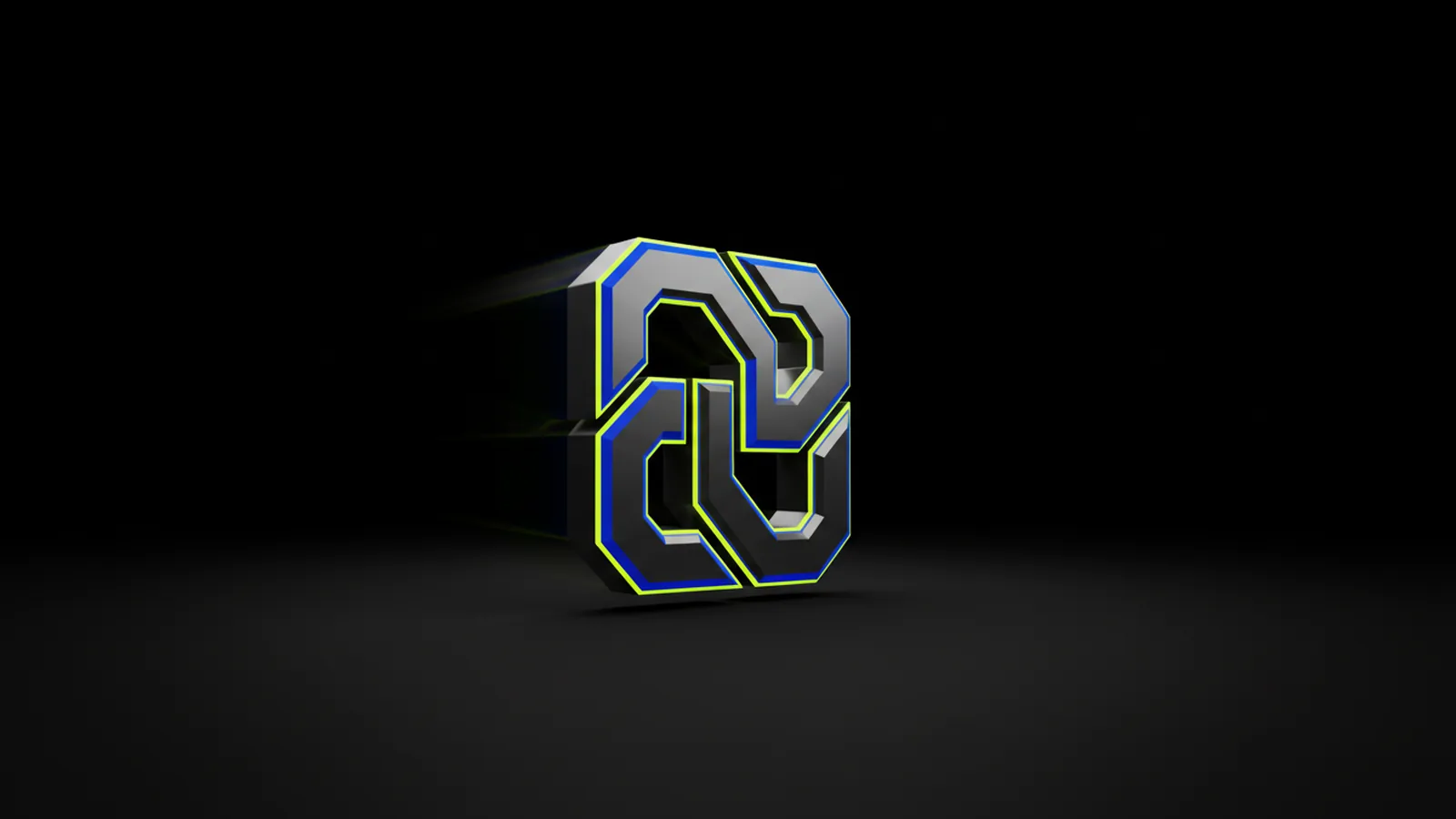
What makes a luxury logo feel premium
A luxury logo isn't about ornament alone. It comes from a clear system. Strategy, proportion, type choice, and spacing all matter. People call luxury logos "timeless" for a reason. They react to restrained contrast and clean shapes. Not flashy effects.
Start by deciding what the logo must say. Heritage? Elegance? Craft? Status? Luxury brands win by saying less. Pick a small set of design rules. Apply them to the logo, the wordmark, and all spacing.
Think about where the mark will appear. Embossed on packaging? Tiny as a favicon? Etched in metal? A luxury logo must hold its shape. It should stay clear when color or context changes.
- Intentional restraint beats decorative overload
- Proportions and spacing drive perceived quality
- Works in one-color, small sizes, and emboss-like contexts
Step 1: Define the brand strategy behind the logo
Before you draw, decide what luxury means for your brand. Is it classic and heritage-led? Or sleek and modern? Your answer shapes the whole system. Serif type and fine detail? Or clean and geometric?
List the brand's must-haves: tone, target feel, and key emotions. Think calm, prestige, or confidence. Then collect visual examples. Treat them as hints, not templates. Look for patterns in style choices. Don't copy a rival's shapes.
Turn your plan into a short list of design rules. For example: "No heavy gradients." "Reads at 24px." "Works as a one-color stamp." Rules keep the logo from going generic or over-done.
- Write a one-paragraph brand description and desired perception
- Define do's and don'ts for luxury cues (detail, restraint, texture)
- Set technical constraints for scaling and reproduction
- Choose 3–5 reference themes and extract repeatable rules
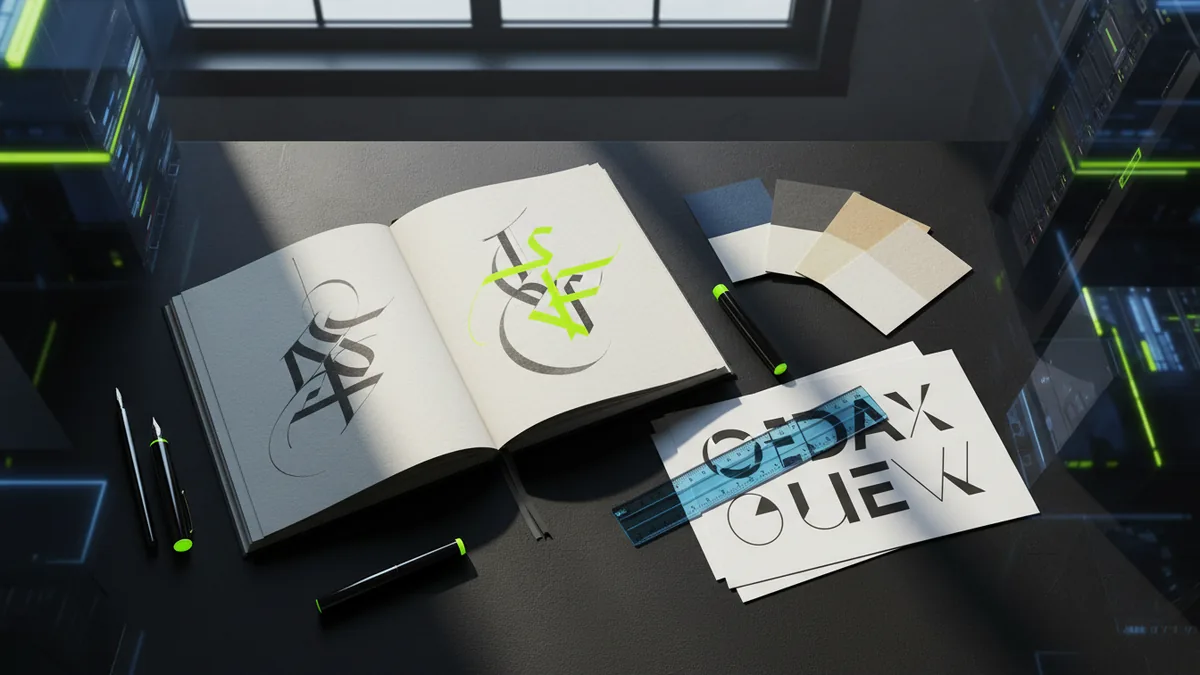
Step 2: Choose a symbol, monogram, or wordmark system
Luxury logos fall into three types. A wordmark uses type. A symbol uses an icon. A combo mark uses both. A monogram feels special when built on clear type—not showy flair. The best pick depends on how the brand is used.
Wordmarks work when the name has weight. They give instant recall. Symbols suit legacy brands and product marks. Combo marks offer range. One version for signage and packaging. Another for digital use.
Even with many variants planned, design one core first. The core is what you trust at small sizes and in one color. Once it's stable, build other lockups with ease.
| Logo type | When it works best | Key risk to avoid |
|---|---|---|
| Wordmark | Brands with memorable names; fashion and lifestyle lines | Over-custom type that loses clarity at small sizes |
| Monogram | Luxury sub-brands; product capsules and limited editions | Complex overlaps that break in one-color use |
| Symbol/emblem | Heritage cues; stamps, seals, and packaging marks | Too much detail that disappears at 16–24px |
| Combination | Brands that need recall across wide use cases | Two competing styles without a shared spacing system |
Step 3: Type, spacing, and refinement
Type is the fastest path to luxury. Treat it like engineering. Luxury marks rely on type contrast—stroke weight and serif detail. They also need tight tracking and visual tuning. If you use a current font, refine the spacing. Apply the same care you give body text.
Watch how curves and joins behave. Small choices matter here. Where a counter opens. How a stroke end tapers. How the baseline aligns. These details create the quiet ease of a premium mark. For monograms, align strokes to a steady visual rhythm.
Spacing is where logos go wrong. Use a clear grid for the logo's inner space. Test real lockups: short name, legal name, and stacked. Luxury marks look effortless because the spacing is steady.
- Set optical kerning, not only numeric kerning
- Use restrained contrast and clean joins
- Design spacing rules for stacked and horizontal lockups
- Focus on clarity in one-color use
Step 4: Color strategy and tone — keep it elegant, not trendy
Luxury color should reinforce tone—not chase trends. Many luxury brands use a minimal palette. Deep neutrals, warm off-whites, or one restrained accent. Even when color is present, the logo must work without it.
In digital use, color behaves differently across screens. Pick a primary color that holds contrast in dark mode. Also test it against light backgrounds. Then build a one-color version that keeps the full order.
Be careful with gradients, thin highlights, and strong color. They look premium in mockups but fail in print. Use color to show structure. What is the symbol? What is the wordmark? What should stay calm?
- Define a primary color and a one-color fallback first
- Choose one accent color only if it adds order
- Check contrast on light and dark backgrounds
- Test one-color reproduction for stamps and engraving
Step 5: Build variants and prepare print-ready logo files
A luxury logo must be flexible—not messy. Prepare lockups for real use: horizontal, stacked, icon-only, and one-color. Each version must follow the same spacing system. That keeps the mark unified across contexts.
Luxury brands use tactile methods—embossing, foiling, engraving. Your logo must be scalable vector art. Clear stroke and fill rules help it survive print. If the mark uses gradients, build a clean one-color version too.
Test the logo in real scenarios. Product labels, website headers, social crops, and signage at distance. Look for thin strokes that vanish or counters that fill in. Fix these early. Then the logo feels premium everywhere—not just in mockups.
- Provide vector files as the source of truth
- Create one-color and inverted versions
- Deliver lockups for horizontal, stacked, and icon-only use
- Check sizes for small-screen and print-like contexts
Step 6: Common mistakes when you design luxury brand logos
Luxury logos fail for the same reasons, again and again. One: over-done letterforms look great in a comp but break when scaled. Two: spacing that works in one format falls apart in others.
Trends undermine luxury. Drop shadows, busy textures, and heavy gradients feel fresh for a moment. Then they date fast. Luxury is about lasting—visual and technical. A logo that needs restyling each season has failed.
Many teams start with the wrong test. A large hero mockup hides real problems. Test small sizes and one-color output from day one. Do that, and the final logo looks considered—not rushed.
If the logo can't read as a stamp in one color, it isn't ready yet.
- Over-ornamentation that breaks at small sizes
- Type without optical spacing refinement
- Color effects that can't survive one-color production
- Missing lockups and inconsistent spacing rules
How a full-service build supports luxury branding
Luxury design often extends past the logo. A strong brand needs the logo to work in UI, web layouts, and templates. When handed off to web code, it must stay crisp and responsive. No distortion from scaling or layout limits.
Treat the logo like a design system asset. Define rules for size, spacing, and dark/light themes. Clear rules cut friction between brand design and dev. The luxury feel stays intact when it hits real interfaces.
Planning a full launch? Get a free consultation early. A clear brand system plus modern web dev is a powerful combo. Fast, reliable, and built for real results.
- Protect logo clarity in responsive layouts
- Align brand marks with UI/UX and e-commerce templates
- Ensure performance doesn't blur the identity
- Scale the brand system across themes and components
Frequently asked questions
- How do I design a luxury brand logo that looks timeless?
- Start with brand strategy and build constraints for legibility, spacing, and one-color reproduction. Use restrained typography and disciplined whitespace so the mark doesn’t rely on trends to feel premium.
- What’s the best approach for how to design a luxury logo when the client wants “something unique”?
- Uniqueness should come from refined proportions and controlled customizations, not clutter. Create a strong typographic foundation, then adjust optical kerning, joins, and internal spacing to differentiate the mark.
- Should a luxury logo use a symbol, a wordmark, or both?
- Choose based on how the brand will be used. Wordmarks work well when recognition is tied to the name; symbols and monograms can add exclusivity; combination marks provide flexibility across packaging and digital.
- How can I ensure my luxury logo works in one color and at small sizes?
- Validate early by checking a one-color version and testing at small scales like 16–24px. Avoid fine details that disappear, and ensure counters, terminals, and stroke weights remain clear.
- What color palette is typical for luxury branding?
- Luxury brands often succeed with deep neutrals and limited accents. Focus on contrast and make sure the identity still reads correctly in monochrome and in both light and dark UI contexts.
- What files should I deliver when I design a luxury brand logo?
- Provide vector source artwork plus practical lockups: horizontal, stacked, icon-only, and one-color/inverted versions. Include spacing rules so the mark stays consistent when used in real layouts.
Related reading

Can You Use a Company Logo Without Permission? Legal Implications
Fair use is narrow. Learn logo risks, legal limits, and safer alternatives.
How to Get a Nike Logo for Cricut (SVG + Illustrator)
Get Nike logo SVGs for Cricut or make one in Illustrator, then cut clean with smart settings.

Logo vs Symbol: Definitions, Similarities, and Design Differences
Logo vs symbol: definitions, similarities, and real branding examples.