Where Should a Pocket Logo Be Placed? Shirt Guide
Learn where to place a pocket logo and chest logo on a shirt. Get practical sizing tips, alignment rules, and common mistakes to avoid.
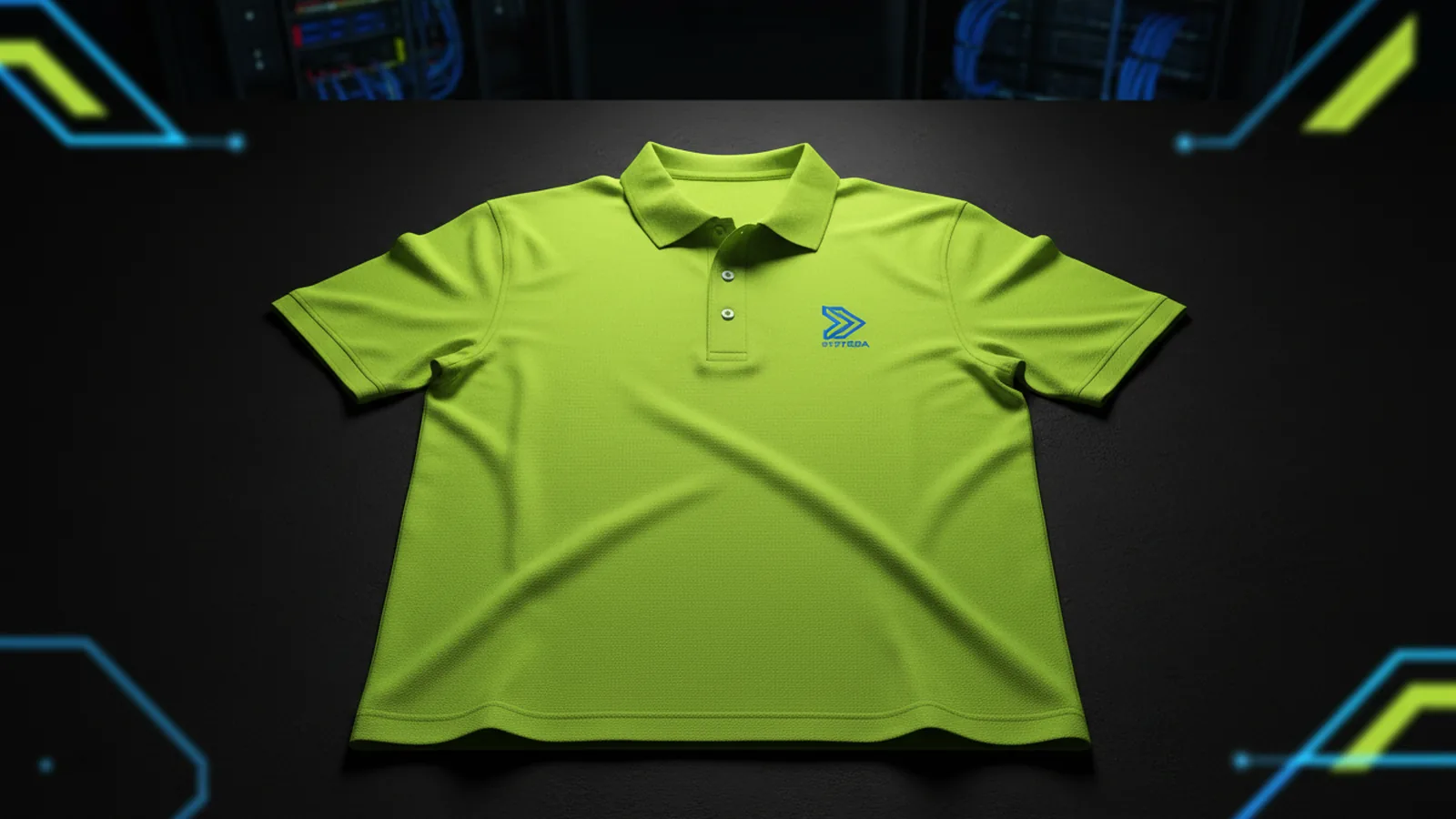
Quick answer: common pocket logo and chest logo positions
For most shirts, a pocket logo sits at the pocket center. It should align with the pocket opening, not the seam or fold. This keeps the mark readable and avoids awkward cropping when you bend.
For a chest logo, the safest default is the wearer’s left chest. Place it near the upper chest area, so it stays visible in normal movement. If you prefer symmetry, you can mirror on both sides, but one side is usually cleaner.
- Pocket logo: centered over the pocket, just above or within the pocket area
- Chest logo: upper left chest, roughly one handspan below the collar
- Avoid: too close to the pocket seam, too low on the chest, and edge-to-edge spacing
If you are asking, “where should a logo be placed on a shirt,” these two placements cover most real-world needs.
Where should a pocket logo be placed for best visibility
A pocket logo is small by design. That means small placement errors show up fast. Centering is the biggest win, because it reduces how the logo shifts as fabric stretches.
Start by marking the pocket’s centerline. Then place the logo so its center matches that line. For vertical position, keep the logo clear of the pocket’s stitch lines and pocket flap overlap.
In practice, pocket logos look best when the bottom of the print stays above the pocket hem. If your logo overlaps the opening, the design can warp when the pocket is in use. Also consider ironing habits, because creases travel through that area.
| Placement choice | Best use | Watch for |
|---|---|---|
| Pocket center (recommended) | Small brand marks, simple icons | Keep clear of pocket seam and flap |
| Upper pocket area | Text-heavy pocket logos | Too high can clash with pocket stitching |
| Inside pocket (rare) | Hidden badges or premium labels | Reduced legibility |
When you confirm layout with a real sample shirt, check how it looks with and without a hand in the pocket.
[h2>Where should a chest logo be placed on a shirt]Where should a chest logo be placed on a shirt
The chest logo placement depends on shirt type. Polo shirts, button-ups, and tees all have different sleeve and collar shapes. Use the same principle each time: place the logo where the fabric stays flat.
For most shirts, choose the wearer’s left upper chest. Place it about midway between the collar base and the mid-chest area. If you are designing for different sizes, keep the logo anchored to the collar-to-chest distance, not the full shirt length.
Also decide whether the logo should sit in a “hanging” position or a “centered” position. Hanging means the logo sits slightly lower and follows natural arm movement. Centered means the logo is more symmetrical and tends to look more formal.
- Pick left chest unless you have a brand style guide for right.
- Set the logo width to match the chest scale, not the design’s full canvas.
- Keep the top edge away from the collar curve by at least a logo-height margin.
- Do a final check at arm-rest posture and with arms raised.
If you are specifically asking, “where should a chest logo be placed,” start with left upper chest and refine from there.
Size and alignment rules for pocket vs chest prints
Logo size should match the print location. Pocket logos typically stay smaller because the pocket has limited surface space. Chest logos can be wider because the chest area provides more flat room.
Alignment matters more than exact coordinates. Center pocket logos on the pocket opening line. Center chest logos on the shirt’s body line, not on seam distractions like side panels.
For multi-color logos, leaving a little breathing room helps. Tight layouts can feel cramped once embroidery or screen print adds small edge effects. If your logo includes fine type, increase size slightly or simplify the mark.
- Pocket logo: prioritize centerline, avoid seam overlap
- Chest logo: prioritize consistent distance from collar and chest center
- Both: verify that the logo does not distort when the shirt stretches
Common mistakes when placing a pocket logo or chest logo
The most common mistake is placing the logo too low. On pockets, that can collide with pocket use. On chest placements, too low can drift toward the belly seam when the wearer moves.
Another frequent issue is ignoring shirt construction. Two shirts can have the same size tag but different collar shapes and chest panel cuts. That changes how the logo will sit and how much it will curve.
Finally, designers sometimes size the logo based on the graphic file, not the available area. A logo that looks good in a design tool can become too wide after applying production limits. Always measure against the shirt’s real placement area.
| Mistake | What it looks like | Fix |
|---|---|---|
| Not centering on the pocket | Logo feels off, harder to read | Center on the pocket opening line |
| Too close to pocket stitches | Edges get distorted or peel | Move the print up or reduce height |
| Chest logo too low | Logo stretches and tilts with motion | Anchor placement higher near upper chest |
| Wrong scaling for the location | Fine text becomes illegible | Increase size or simplify copy |
When in doubt, use a mockup and compare against a sample shirt you can wear.
Practical placement checklist before you approve the design
Use this checklist to lock the decision quickly. It is designed for people who need clear rules, not guesswork. If you follow it, you will reduce rework and keep brands consistent.
Start with the shirt’s intended wear context. A work tee needs durability and stable legibility. A marketing polo needs polish and clean alignment.
- Confirm pocket type: flap vs no flap, straight pocket vs curved
- Check for stretch zones: chest tension and pocket opening strain
- Verify the logo width fits the location without touching seams
- Review at least two arm positions for chest logos
- Use one final sample print before bulk production
This is how you answer “where should a logo be placed on a shirt” with confidence.
Placement examples by shirt style
Different shirt styles shift where your logo feels “right.” For polos, the upper chest area stays stable, and the collar curve gives you a reliable reference. For tees, the chest area is more stretched, so you need slightly more room and a higher anchor.
Button-ups add pocket flap complexity. If you place the pocket logo near the flap overlap, it can partially hide behind the flap when closed. For this reason, keep the pocket logo centered and slightly higher on the pocket opening.
For hoodies, this guide still helps, but placement rules change because the fabric drapes differently. Use the same concept, but base the chest logo position on where the wearer’s chest stays flat when moving.
| Shirt style | Pocket logo position | Chest logo position |
|---|---|---|
| Classic polo | Centered on pocket opening | Upper left chest |
| Basic tee | Center on chest area if no pocket | Upper left chest |
| Button-up | Centered on pocket, clear of flap | Upper left chest near collar base |
Frequently asked questions
- Where should a pocket logo be placed on a shirt?
- Center it on the pocket opening line. Keep it clear of pocket seams and any flap overlap.
- Where should a logo be placed on a shirt for the best look?
- For most brands, use the upper left chest for the main mark. For a pocket mark, center it on the pocket opening.
- Where should a chest logo be placed on a shirt?
- Place it on the wearer’s left upper chest. Anchor it between the collar base and the mid-chest area so it stays readable while moving.
- Should a pocket logo go inside the pocket or on the pocket flap area?
- Pocket logos usually go on the outside pocket surface. Inside-pocket prints are harder to see during normal wear.
- How do I choose the right logo size for pocket vs chest placement?
- Match the logo to the available space at each location. Pocket marks should be smaller, while chest marks can be wider, but both must avoid seams.
- What is the most common mistake with pocket and chest logo placement?
- Placing the design too low. It can warp with motion or collide with pocket construction lines.
Related reading
How to Get a Free Business Logo: Tools, Steps, and Downloads
Create a clean, professional free logo using easy tools—then download the right file types.
How to Start and Run a Logo Design Business That Gets Clients
Learn how to start a logo design business, build a client-ready portfolio, and market effectively.

How to Make an Animated Logo for YouTube and Beyond
Learn how to make an animated logo with the right steps, tools, and exports.