How to Create a Logo: The Real Logo Design Process

Understanding Logo Design
A strong logo starts with one simple job. It visually represents your brand and helps people recognize you fast. If your logo is confusing or inconsistent, it will slow trust and make marketing harder.
Before you start logo how to make work, define the role the logo will play. Is it for a product name, a service company, or a personal brand? The right direction changes a lot once you know the purpose.
Next, identify your target audience and where they will see the logo. A logo used on app icons needs a different design approach than a logo used on signage. Keep this in mind as you pick colors, type, and shapes.
Finally, treat your logo as part of your brand identity, not as a one-off graphic. A good logo fits your voice and supports the same look across your site, packaging, and ads.
Steps to Create a Logo
Use a logo designing process that moves from strategy to simple proof. This keeps you from spending hours on detail before the concept is right. It also makes it easier to get feedback without debating tiny choices.
Start with a short brand brief. Include your brand values, audience, competitors, and the main emotion you want people to feel. If you sell premium services, your design should feel controlled and clear.
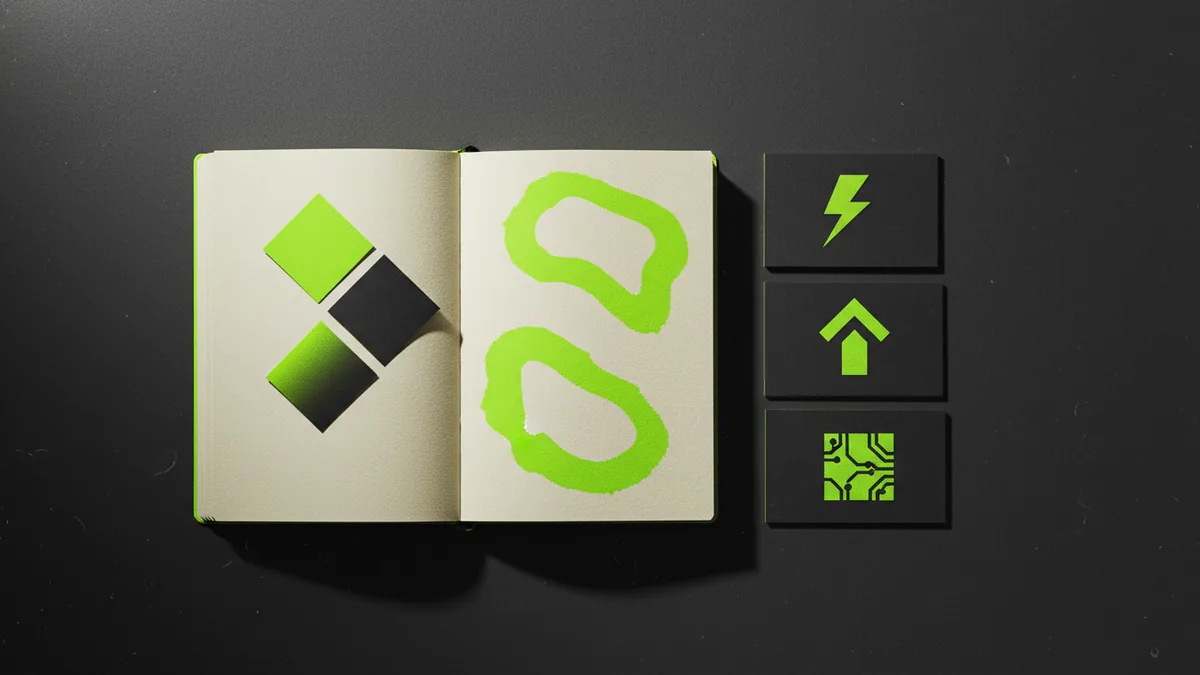
Then move into concept work. Sketch several rough directions in black and white first. This quickly reveals which ideas have strong structure before you add color.
Color and type come after you have solid shapes. Select a color scheme that matches brand values and supports color psychology. For example, blue often signals trust, while green often signals growth.
- Define purpose and audience. Write what the logo must communicate in one sentence.
- Collect references. Save logos you like and note why they work.
- Draft concepts. Create 10 to 20 fast sketches or wireframe marks.
- Pick one direction. Choose the strongest concept based on clarity and fit.
- Design the final mark. Refine shapes, color, and typography.
- Test across uses. Check it on small and large backgrounds.
- Get feedback and refine. Adjust based on real reactions, not personal taste.
Need a simple way to structure logo how to create decisions? Use a “clarity first” rule. If someone cannot recognize the mark from a distance or on a tiny size, simplify the design. A clean design often beats a clever one.
Scalability in design should be tested early. Build variants in grayscale and test at sizes like 24px and 200px wide. If the logo breaks at small sizes, redesign shapes and spacing before exporting.
Common Mistakes in Logo Creation
Most logo failures come from skipping the basics. People often start with style choices instead of brand meaning. The result is a logo that looks trendy but does not match the brand identity.
Another common issue is over-detail. If your logo relies on thin lines or tiny elements, it will fade in real use. Think about production limits too, like printing, embroidery, and low-resolution displays.
Many teams also ignore the typography in logos requirement. They pick a decorative font and assume it will scale. Instead, make sure letterforms stay readable at the smallest use case.
Color mistakes are also frequent. Designers may choose colors they personally like, not the ones that resonate with the audience. And they sometimes forget contrast on light and dark backgrounds.
- Too complex for small sizes. Simplify shapes and remove micro-details.
- Unclear brand message. Align the symbol and type with the brand values.
- Low contrast. Test accessibility-friendly contrast in common placements.
- Font mismatch. Pair typography that complements the logo style.
- No variants. Provide horizontal, stacked, and icon-only forms.
Here is a practical check. Put your logo next to two competitor logos. If your mark looks interchangeable, your concept is not specific enough yet.
Feedback in design process matters because blind spots are real. Ask people who understand your audience, not only your friends. Also ask someone who has never heard your brand story.
Elements of a Good Logo
A good logo is more than an attractive drawing. It has a clear structure, a strong visual rhythm, and a stable identity. Every element should support recognition and consistency.
Start with shapes and symbols. Logo shapes and symbols should reflect the brand ethos, but they must stay simple. A symbol that communicates “speed” or “craft” can use motion-like curves or crafted geometry, as long as it stays readable.
Typography is another core element. Choose typography in a way that matches your brand voice. If your brand feels modern, use clean letterforms. If your brand feels traditional, use serif styles with careful spacing.
Legibility across different mediums is non-negotiable. Test the logo on a website header, a social avatar, and a printed product label. If the logo only works on your mockups, it is not done.
| Logo element | What to decide | Quick test |
|---|---|---|
| Color scheme | Values, audience fit, contrast | Grayscale and dark background checks |
| Typography | Style fit, readability, spacing | Readability at 24px width |
| Shapes and symbol | Brand meaning, balance, simplicity | Recognize in 2 seconds |
| Layout | Horizontal vs stacked options | Fits on a business card |
Finally, plan for scalability from the start. Use vector tools for the master version. Export formats you will likely need include vector files for editing, plus raster files for fast sharing.
If you are curious how real brands evolve, look at the starbuck brand mark. People often ask, “what is the starbucks logo how has it evolved,” because the company refined its wordmark and simplified the siren over time. This shows how iteration can improve clarity and consistency.

Logo Design Tools
Tools change, but the workflow stays the same. You need a way to sketch, a way to design with precision, and a way to test usage. Choosing tools early helps you avoid rework later.
For vector logo work, use a vector editor that supports scalable shapes and clean exports. Vector design is the difference between a logo that survives resizing and one that turns blurry. Your master should always be vector-based.
For typography, focus on spacing and fit. If you are using custom text, ensure tracking and line height match the logo layout. Otherwise, typography may look fine at one size and awkward at another.
For testing, use simple mockups and real background colors. You can check contrast with basic grayscale previews. Also test in black-only to see if the core structure works without color.
- Vector design: build the master logo in scalable paths.
- Icon variants: create an icon-only version for avatars.
- Mockups: test on web headers, print labels, and signage.
- Export packs: provide web and print files.
Also keep version control. Save named files for “concept,” “revision,” and “final.” This reduces confusion when you later need a specific version.
Inspiration and Logo Styles
Inspiration for logo design should guide you, not copy you. Build a reference library and label each item with what you want to borrow. Is it the color mood, the symbol shape, or the typography feel?
Logo styles usually fall into a few categories. Wordmarks rely on typography. Lettermarks focus on initials. Iconic marks use symbols, and combination marks mix an icon with text.
Pick a style that matches how people find you. If users search your exact company name, a wordmark can work well. If they recognize you through an icon, an iconic mark may be stronger.
As you explore styles, keep the design process grounded in your brand identity goals. A style that looks good in a gallery can still fail if it does not match your audience’s expectations.
When you choose inspiration, consider how competitors show up. If most rivals use the same color palette, you might need differentiation. But do not chase difference without meaning. A color shift alone rarely builds trust.
Lastly, use feedback to refine. Show concepts to diverse viewers and ask targeted questions. For example, ask what they think the logo represents in two seconds. Then improve based on those answers, not on which draft you personally like most.
Frequently asked questions
What is the logo design process, from idea to final files?
Start with a brand brief and audience fit. Then sketch concepts, choose one direction, and refine color, type, and layout. Finally, test scalability and request feedback before exporting final variants.
How do I create a logo that looks good at small sizes?
Simplify shapes and remove micro-details. Test the logo at small widths like 24px, and check it in grayscale too. If it breaks, redesign the structure before polishing the details.
What colors should I use for my logo?
Use a color scheme that matches your brand values and your audience expectations. Check contrast on both light and dark backgrounds. Also test in grayscale to ensure the design works without color.
What typography works best in logos?
Choose typography that fits your brand voice and stays legible across mediums. Pay attention to spacing and letterforms at small sizes. If readability drops, switch to a cleaner type style or adjust tracking.
How can I get useful feedback during the logo designing process?
Show multiple concepts to people who match your target audience. Ask what the logo communicates in two seconds. Use their answers to guide revisions, not preferences.
Should I use a wordmark or an icon for my logo?
A wordmark can work when people search your exact name. An icon can work when you expect recognition through visuals. Many brands use a combination mark to cover both cases.