Is Body Branding Legal? Laws, Consent, Safety, and Costs
Learn if body branding is legal. Understand consent, liability, health rules, where to get body branding, and typical costs.
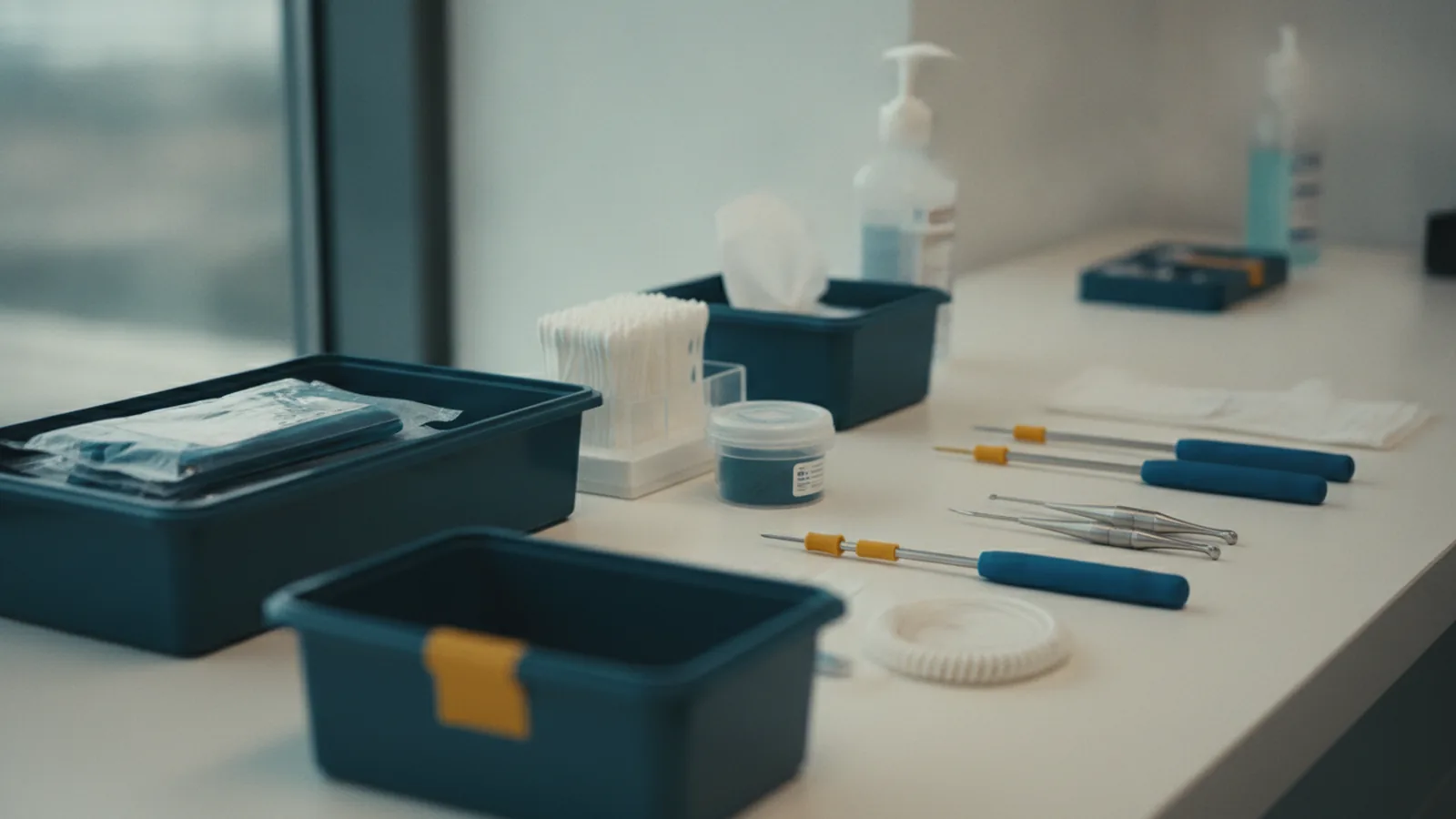
Understanding body branding
Is body branding legal? In many places it is allowed, but rules vary by area.
Body branding means burning the skin to make a lasting mark. The burn can scar the skin.
This practice is a type of body modification. It can also be called a burn-based body art method.
Because it harms skin on purpose, law and health rules often treat it as higher risk. That matters for both consent and safety.
- Body branding burns skin to form a permanent mark.
- It can leave scars and long-term skin changes.
- Legal rules often focus on how the work is done.

Legal status in different countries
Body art laws differ a lot across countries and regions. Some places allow it under broad body art rules.
Other places do not name branding in law. Then it may fall under general rules for skin harm and health work.
In many areas, local authorities set the main rules. They may require clean rooms, safe tools, and trained staff.
Some systems also license studios. That lets regulators inspect hygiene and record safety steps.
Historical legal fights show the issue can be messy. Courts have looked at whether branding fits the same rules as tattooing.
| Common legal pattern | How branding may be treated | What to expect |
|---|---|---|
| Broad body art rules | Branding grouped with body art | You may need a licensed studio |
| Rules list specific acts | Branding may not be named | Enforcement can feel uneven |
| General health and harm rules | Branding falls under wider limits | You still face liability for harm |

Consent and liability issues
Consent in body branding matters, but it does not guarantee safety or legal cover.
Many people sign forms first. Still, a signature may not stop a claim for harm.
Adult consent helps prove you chose the risk. It does not excuse poor care or unsafe work.
Liability risk grows when harm is serious. Serious harm can mean deep burns, infection, or nerve pain.
Courts often ask if the worker used safe, fair care. This is separate from whether you agreed.
Also, “informed consent” is more than paperwork. You should get clear risk notes and a real aftercare plan.
- Consent can help, but it is not a full shield.
- Unsafe or careless work can still trigger claims.
- Serious injury can raise the legal stakes.
- Clear risk talk supports stronger informed consent.
Health and safety regulations
Health regulations often apply even where branding is legal. Local health rules may require clean tools and clean spaces.
Many areas expect safe skin prep. They also expect safe waste steps after each session.
Infections are a key concern. If tools are not kept clean, germs can spread fast.
Aftercare is another big safety step. Aftercare is the care you do after the session to aid healing.
Regulators may also care about screening. Screening means checking health limits before the work starts.
For example, some skin health issues may raise risk. If a studio ignores this, that can create legal exposure.
If you compare branding to scarification, the risks overlap. Scarification also aims for skin marks and can scar deeply.
- Check local licensing or registration for the studio.
- Ask how they clean and store tools between clients.
- Ask for a clear risk list and a written aftercare plan.
- Ask what to do if healing goes wrong.
Where to get body branding
Where to get body branding starts with local rules and licensed studios.
Look for official local listings or health office pages. Those sources can tell you what is allowed and who is approved.
Then ask direct questions before you book. Ask how they protect skin and how they handle clean tools.
Ask what training they have for burn-based skin work. If they cannot explain, pause the decision.
Review past results with a focus on healing. Even burn marks can heal with different scar patterns.
Also ask about follow-up. Branding can take time to settle, and you may need help.
- Prefer studios that are licensed in your area.
- Ask for tool cleaning and waste disposal details.
- Choose providers who explain risks and aftercare clearly.
- Pick a place that supports follow-up during healing.
Cost factors of body branding
How much does body branding cost? The price depends on size, place, and how many sessions you need.
A bigger design usually takes longer. Longer work often means higher fees.
Placement can also change cost. Some areas heal slower and may need more care.
Studio rules can affect price too. Cleaner setups, safe tools, and staff time can raise costs.
Aftercare can add cost as well. You may need ointment, dressings, and check-ins.
To budget well, ask for a clear quote. Ask what is included and what could add fees later.
| Cost driver | Questions to ask | Why it changes price |
|---|---|---|
| Design size | How many passes and sessions? | More work takes more time |
| Placement | What healing time do you expect? | Some spots need extra care |
| Safety setup | What hygiene steps are standard? | Supplies and setup cost money |
| Aftercare | What supplies and visits are included? | Support affects risk and healing |
In the end, cost is not only for the burn. Cost also covers safe care and healing support.
Frequently asked questions
Is body branding legal for adults in my country?
It depends on local body art laws. Check your local health office or licensing body for the current rule set.
Does signing consent paperwork protect the practitioner from liability?
Not fully. Consent may not protect a practitioner if they cause harm through unsafe or careless work.
What health and safety regulations apply to body branding?
Many places require clean tools, safe waste steps, and safe studio setup. Ask how they handle hygiene and aftercare before you book.
Where to get body branding safely and legally?
Start with studios that are licensed or registered in your area. Ask about hygiene steps, risk talk, and follow-up support.
How much does body branding cost and what affects the price?
Cost usually changes with design size, placement, and session count. Get a written quote that states session plans and aftercare details.
Are there legal cases that show branding is treated differently than tattooing?
Yes. Some disputes have turned on whether branding fits the exact legal definitions used for tattooing or piercing.
Share this article
Related articles


Building something similar?
Tell us about your product — we respond within one business day with a concrete next step.