How Much Are Old Branding Irons Worth? Prices, Trends & Appraisal
Learn how much old branding irons are worth. See price ranges, key value factors, appraisal methods, and preservation tips for collectors.
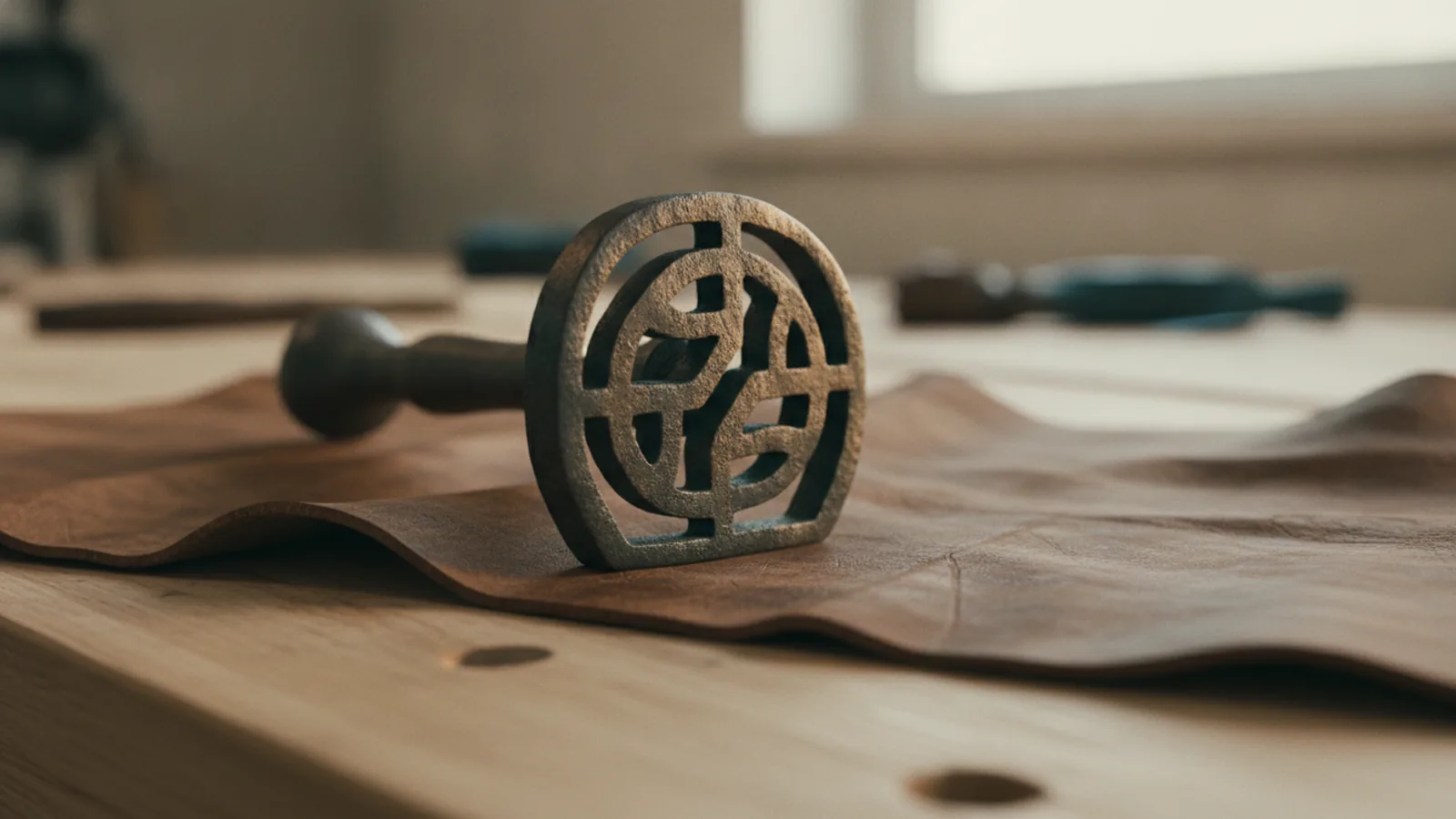
How much are old branding irons worth? Quick price ranges
In most cases, the value of old branding irons sits in the hundreds of dollars, not the tens of thousands. Common antique branding irons may sell for about $100 to $300, depending on maker marks and usable condition.
Rarity and story can push prices much higher. Rare examples, especially those with clear provenance or unusual designs, can reach $1,000 to $5,000 at auction.
So when people search “how much are old branding irons worth,” the best answer is: it depends. The right next step is learning what makes your iron rare, then checking it against recent comparable sales.
Historical context: why cattle branding irons matter
Branding irons were built for a job that had to be repeatable and recognizable. Historically, ranchers used a heated brand on livestock to show ownership and reduce theft risk.
Cattle branding history stretches back centuries, with different regions adopting their own methods and tool styles. Over time, ranches and local families also treated branding marks as identity.
That long use is why antique branding irons hold more than scrap value. Collectors often see them as Western memorabilia that connect to real ranch operations, not just old metal objects.
Factors affecting the value of old branding irons
There is no single formula for value of old branding irons. Condition, rarity, and design details usually matter more than age alone.
Here are the biggest drivers you will see in real sales results.
- Rarity and maker identity: irons with documented makers, foundry marks, or distinctive regional styles often price higher.
- Design complexity: elaborate shapes, initials, and clean script can be more desirable than simple blocks.
- Condition of the iron: intact faces, legible marks, and solid metal typically bring better offers.
- Usable size and form: irons built for clear branding usually attract more interest than truncated or heavily reworked tools.
- Provenance and documentation: notes, ranch records, or family history can add strong value.
Even within the same brand style, two irons can sell very differently. One might have sharp stamping and clear ownership context. The other might be worn, bent, or missing key parts.
As a rule of thumb, “old” helps, but “scarce and complete” sells. If your iron is common with minimal identifying features, old branding iron prices may land closer to the low end.
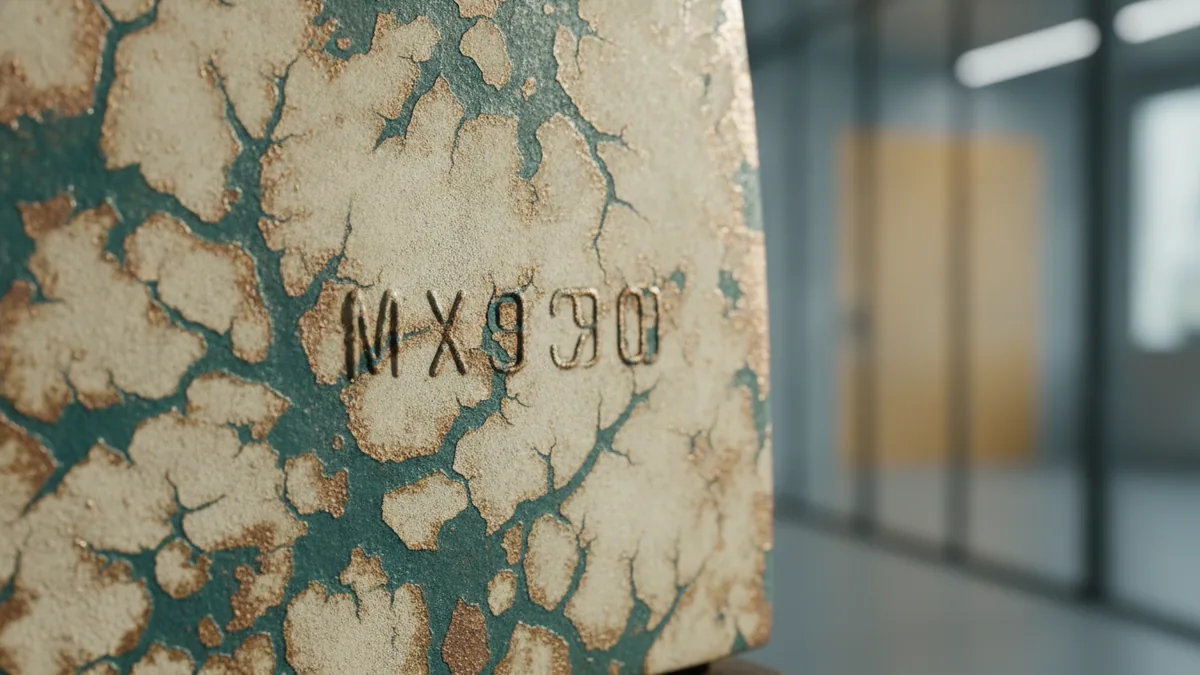
Market trends for branding irons
Market demand for branding irons has been rising in recent years. A big reason is broader interest in Western heritage and nostalgia.
Collectors also value objects with physical utility history. A branding iron is one of those items where you can still imagine the original workflow on a working ranch.
Online interest affects outcomes too. When more buyers can browse listings and compare photographs quickly, sellers can sometimes achieve stronger bidding.
What you should watch when tracking market trends is not just “average price.” Instead, focus on how specific categories perform.
- Documented ranch marks: irons tied to names, places, or records often hold value better.
- Condition tiers: buyers pay more for sharp, stable metal over rough or repaired pieces.
- Auction results vs fixed-price listings: auctions can show true willingness to pay.
If you want to estimate your value of old branding irons today, compare what sold recently, not just what is listed. A $399 listing does not guarantee a $399 sale.
How to appraise branding irons
Professional appraisal usually goes beyond a quick look. Expect an appraiser to examine historical records, rarity, and comparable sales.
A good appraisal method typically starts with identification. That means studying maker marks, stamps, and any clues about origin.
Next comes a rarity check. Two identical-looking irons might differ if one has a founder’s stamp or a known ranch link.
Then the appraiser matches your iron to the market using comps. Comparable sales matter more than opinions.
Step-by-step appraisal workflow you can do yourself
- Document the iron: photograph all sides, the face, any stamps, and overall size.
- Record condition notes: note bends, missing parts, corrosion levels, and repairs.
- Identify design traits: describe the brand shape, lettering style, and any unusual features.
- Search for sold comps: compare against completed sales, not just current listings.
- Decide value range: set a low, likely, and high figure based on the closest matches.
If you plan to insure the item, ask what value standard is used. Some appraisals target replacement cost. Others target market value based on sales.
Also note that appraisal results can vary by location and buyer pool. Western memorabilia demand may be stronger in some regions than others.
For serious collections, a written appraisal from a qualified professional can help with lending or estate paperwork. For casual selling, a well-researched range may be enough.
Selling old branding irons: where buyers find them
Collectors can sell branding irons through several channels. The best place depends on how rare your piece is and how detailed you can document it.
Online marketplaces can work well for common items. They rely on strong photos and clear descriptions.
Auction houses can work better for rare examples. Bidding can unlock prices that fixed-price sellers cannot reach.
Antique specialists can also help because their audiences already want Western heritage items. That audience fit often matters as much as the listing price.
What to include in your listing
- Clear photos: sharp close-ups of the branding face and any maker stamps.
- Measurements: include height, width, and overall thickness if possible.
- Condition details: be specific about corrosion, cracks, and repairs.
- Provenance claims: only include what you can support with documents.
- Comparable sales: reference recent sold results when you can.
For pricing, start with your researched range. If you have a rare design with good condition, you can list closer to the top of the range. If the iron is common or worn, listing high often leads to long waits.
One more practical point is shipping. Branding irons can be heavy. Strong packing reduces the risk of damage, which protects both the sale and your reputation.
Preservation tips for collectors
Proper preservation techniques can maintain or even enhance the value of branding irons. Buyers want metal that looks stable and readable, not flaky with active corrosion.
Start by cleaning gently. Avoid aggressive sanding that removes remaining marks or changes the original surface too much.
Next, control moisture. Store irons dry and consider using a protective barrier like a light coating suitable for metal, based on collector best practices.
Repair decisions matter. Small stable fixes can be acceptable, but over-restoring can harm value by reducing originality.
Collector-friendly preservation steps
- Inspect first: look for loose pieces, active rust, and corrosion hotspots.
- Clean lightly: remove loose dirt with gentle methods and avoid grinding stamped areas.
- Dry fully: ensure the iron is completely dry before storage.
- Store safely: use a dry container with minimal air exposure.
- Document changes: keep notes and photos before and after cleaning.
If you are unsure what the iron needs, pause. For high-value pieces, consult a conservation-minded professional rather than trying a DIY fix.
Preservation also supports selling. When your iron arrives in the same condition shown in photos, buyers trust the listing.
Comparing branding irons across eras
Not all antique branding irons come from the same time window, and buyers notice the differences. Comparing branding irons across eras can help you spot what is genuinely older and scarcer.
Differences often show up in design style and construction details. Some older tools have distinct lettering shapes and tooling marks, while later irons may look more standardized.
Another way to compare is to connect the iron to a working ranch context. Cattle branding history is tied to local practice, so the same general idea can look different by region and time.
When you compare, keep the focus on value of old branding irons. Look at how the iron’s face holds up, how crisp the design appears, and whether any maker marks match known patterns.
Finally, use era comparison to refine your appraisal. If your iron matches a period where collectors currently pay premiums, your likely sale price may rise. If it matches a more common era with fewer buyers, pricing will be tighter.
That is why good comparables are crucial. Two irons from different eras can share a similar look, but market demand can treat them very differently.
Key takeaways
- Most common irons sell in the low hundreds; rare examples can reach thousands.
- Value depends on rarity, design, condition, and documented provenance.
- Market demand is rising with Western heritage and nostalgia interest.
- Appraise using historical records, rarity research, and sold comps.
- Preservation helps protect original marks and supports stronger offers.
Frequently asked questions
How much are old branding irons worth in general?
Common antique branding irons often sell for about $100 to $300. Rare examples with strong provenance can reach $1,000 to $5,000 at auction.
What makes the value of old branding irons go up or down?
Rarity, design complexity, and condition are the biggest drivers. Maker marks and documentation can also add value.
How do I appraise branding irons without overpaying or underselling?
Use a sold-comps approach and document maker marks, measurements, and condition. Then build a low, likely, and high value range from close matches.
Where can I sell antique branding irons for the best price?
Online marketplaces work well for common items. Auction houses and antiques specialists can be better for rare, high-demand pieces.
How should I preserve an old branding iron to protect its value?
Clean gently, keep the iron dry, and avoid heavy restoration that removes original marks. Document changes before and after cleaning.
Do old branding iron prices depend more on age or on rarity?
Rarity usually matters more than age alone. A complete, well-preserved iron from a scarce maker or region can outperform a simply older example.
Share this article
Related articles
Building something similar?
Tell us about your product — we respond within one business day with a concrete next step.