How to Heal a Branding Burn Aftercare Guide (Infection & Scarring)
Learn how to heal a branding burn with soothing care, clean bandaging, and infection warning signs. Includes scarring prevention tips.
Understanding Branding Burns
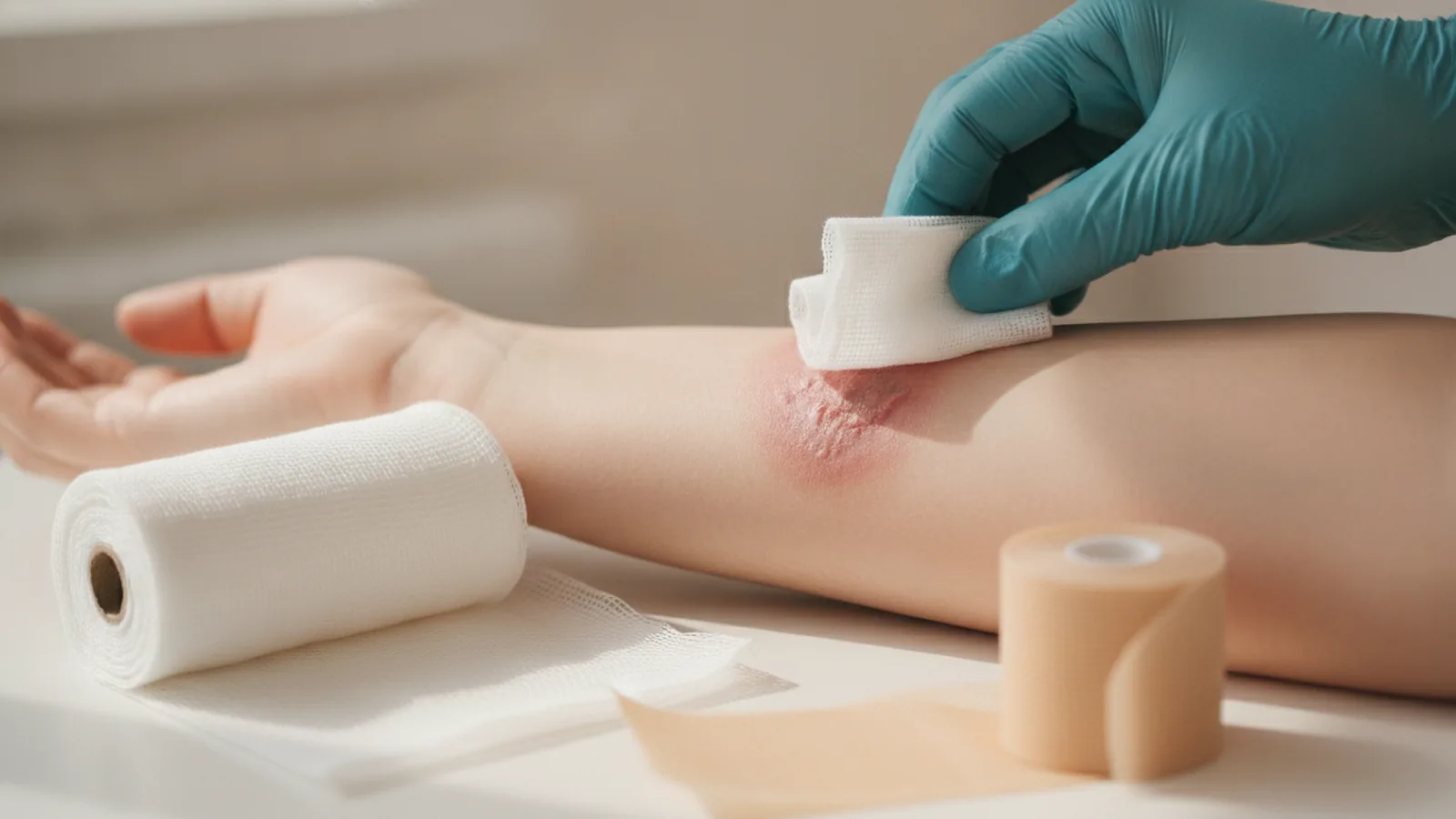
A branding burn is a heat injury to the skin and underlying tissue. The goal of how to heal a branding burn is to protect the wound, control swelling, and support proper skin healing. Heat damage can look worse at first, then improve as inflammation settles.
Body branding may involve different temperatures and contact times. Deeper burns create more damage and can take longer to close. That is why branding burn aftercare should focus on wound care basics: clean the surface gently, keep it covered, and avoid trauma while it heals.
Healing is not only about pain relief. Your skin needs a stable environment with the right moisture level and airflow balance. Good bandaging techniques help reduce friction and lower the risk of skin infections during healing.
Immediate Care After Branding
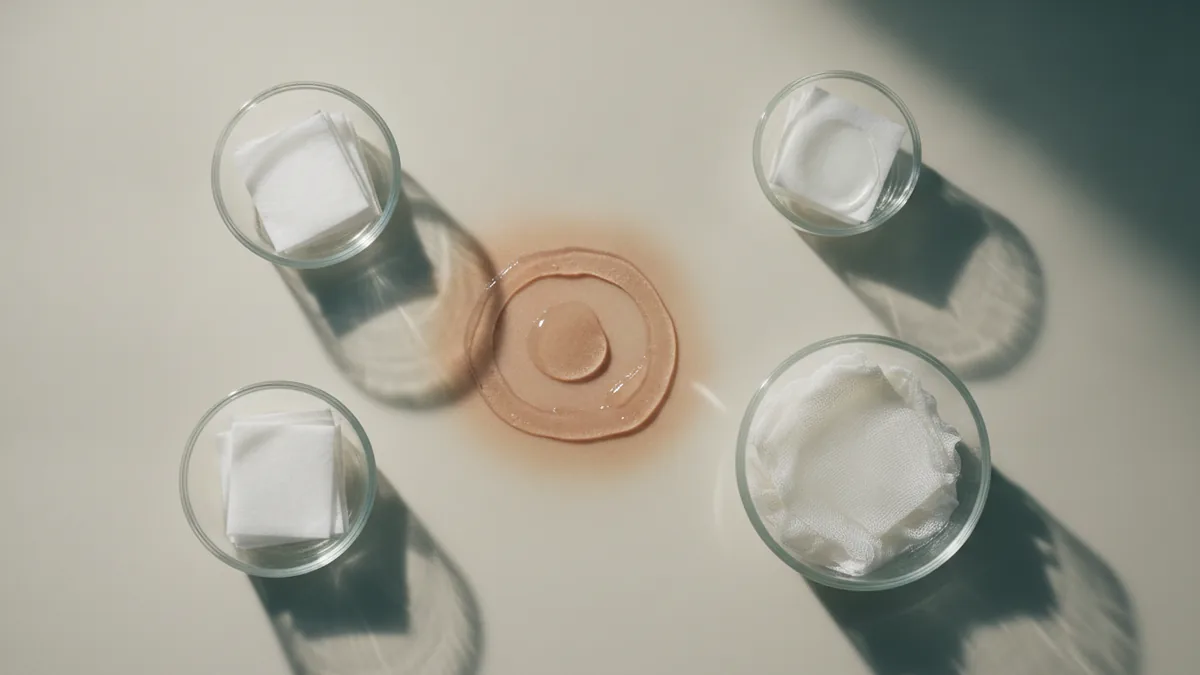
Start with cooling and soothing, when safe and appropriate. If a healthcare professional gave specific directions, follow those first. Otherwise, many people find that a thin layer of Aloe Vera applied soon after treatment can reduce swelling and support comfort.
Next, protect the branding area right away. Keep the area clean and cover it with non-stick bandages to reduce rubbing. Non-stick dressings also help you avoid tearing at early scabs, which can slow healing a lot.
Use clean hands and gentle handling. A practical approach is to prepare supplies first, then touch the area as little as possible. If there is any drainage, mild cleaning with sterile saline is often easier than soaking.
- Apply Aloe Vera in a thin layer to support comfort and reduce swelling.
- Cover with a non-stick bandage to limit friction and contamination.
- Keep the wound dry at the edges and avoid unnecessary exposure.
- Don’t use harsh antiseptics unless a clinician recommends them.
Long-term Healing Process
Aftercare continues until the skin barrier fully closes. Early on, the branding burn can look red, feel tender, and swell slightly. Over time, you may see darkening or scab formation as the wound goes through skin healing stages.
Changing bandages is crucial during healing. Each dressing change is a chance to check the wound, remove debris, and keep the area at a safe level of cleanliness. It also lets you apply therapeutic salve if your clinician or product guidance recommends it.
Bandaging techniques matter for comfort and recovery. Aim for a snug but not tight wrap. You want protection, not pressure that restricts circulation. If you notice worsening throbbing, numbness, or color changes, loosen the wrap and reassess.
- Wash hands and remove the bandage gently, especially if it is stuck.
- Clean with a gentle method, such as sterile saline on gauze.
- Pat around the area dry. Avoid scrubbing the wound surface.
- Apply a thin layer of therapeutic salve only as advised.
- Re-cover with a non-stick dressing, then secure with light gauze.
Signs of Infection to Monitor
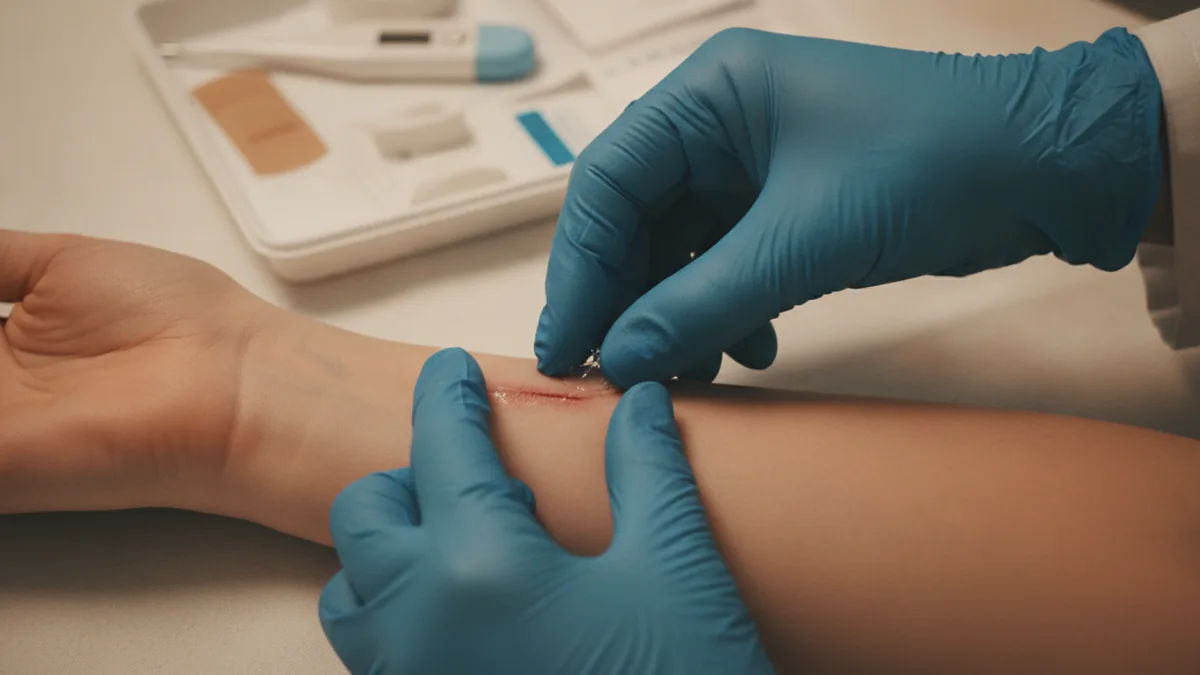
While most branding burns heal without major issues, skin infections can happen. Your job in care for branding burn is to watch for changes that are getting worse instead of better. Infection signs often show up after the first couple of days, but they can vary.
Monitor redness that spreads beyond the original branding area. Swelling that keeps increasing, rising warmth, and escalating pain are also concerning. Another red flag is pus or cloudy drainage, especially if it has an unusual odor.
You should also take systemic symptoms seriously. Fever, chills, red streaks moving away from the wound, or swollen lymph nodes near the area can suggest a more serious problem. If you see these signs, stop self-care and seek medical advice promptly.
- Redness that expands day by day rather than fading
- Increasing swelling, warmth, or pain after initial improvement
- Pus, thick cloudy drainage, or foul odor
- Red streaks, fever, chills, or feeling unwell
- Skin around the burn turning dusky, black, or markedly different in color
If infection is suspected, consult a medical professional. Also get help if the healing process seems abnormal, such as the wound staying open without closing or repeatedly reopening after dressing changes.
Preventing Scarring
Scarring depends on burn depth, genetics, and how the wound is handled. You can’t erase a deeper injury instantly, but you can improve the odds of better skin healing. The most common scarring mistake is disturbing the wound during the scab stage.
Avoid picking at scabs. Picking can pull off healing tissue before it is ready. That often leads to longer healing times and increased scar risk. Instead, keep the dressing in place and let the scab loosen naturally.
Moisture balance and protection help. Too much dryness can crack healing skin, which invites irritation and infection risk. A thin therapeutic salve layer can help keep the surface comfortable if your provider recommends it, but use only what is advised to avoid trapping excess moisture.
Once the skin barrier is closed, sun protection becomes a scarring lever. UV exposure can darken new scars and make them more noticeable. Use clothing cover or a clinician-approved sunscreen once fully healed.
- Do not pick scabs or rub the area while it is healing.
- Use non-stick bandages to prevent dressing trauma.
- Change bandages regularly to support clean wound care.
- Protect new skin from friction and direct sun after closure.
- Seek care if healing stalls or looks worse instead of better.
Frequently Asked Questions
How often should I change the bandage during branding burn aftercare?
Many people change bandages once or twice daily, or whenever the dressing becomes wet or dirty. Your burn depth and drainage level guide the schedule. If a clinician or aftercare sheet gave instructions, follow that plan.
Can I use Aloe Vera for care for branding burn long after the first day?
Aloe Vera is often used early for comfort and swelling. For ongoing healing, focus on clean wound care and follow the recommended therapeutic salve plan. If a product causes burning or increased redness, stop and get advice.
What does normal healing look like compared with infection?
Normal healing usually trends toward less redness, less swelling, and calmer pain over time. Infection often brings spreading redness, increasing warmth, and pus or bad-smelling drainage. If you are unsure, it is reasonable to ask a medical professional to review the wound.
Should I cover the wound with a non-stick bandage the whole time?
Coverage helps protect the branding area from friction and contamination. Many healing plans keep the wound covered until the surface closes. Once the skin barrier is fully healed, you can switch to protection focused on sun and irritation.
When should I stop self-care and get medical help?
Get medical help if you suspect infection or if healing seems abnormal. Examples include worsening pain after early improvement, spreading redness, fever, or the wound staying open unusually long. A clinician can check burn depth and recommend safe treatment.
Will a branding burn always scar?
Not always. Superficial burns can heal with minimal marks. Deeper burns are more likely to leave scars, so preventing scab picking and keeping clean wound care can still make a real difference.
Frequently asked questions
How to heal a branding burn in the first 24 hours?
Cool and soothe the area when appropriate, then apply a thin layer of Aloe Vera. Cover it with a non-stick bandage to reduce friction and keep it protected.
What should I do for care for branding burn during healing?
Change bandages regularly, clean gently, and apply therapeutic salve only as advised. Keep the wrap secure but not tight to avoid pressure.
What are the signs of infection in a branding burn?
Watch for expanding redness, increasing swelling, rising warmth, and pus or foul-smelling drainage. Fever or red streaks are urgent and need medical care.
How can I prevent scarring after a branding burn?
Do not pick scabs and avoid rubbing the area. Use non-stick dressings and protect the skin from sun once it is closed.
When should I consult a medical professional for branding burn aftercare?
Contact a clinician if infection is suspected or if healing seems abnormal. Get help if pain, swelling, or redness keeps getting worse instead of better.
Share this article
Related articles



Building something similar?
Tell us about your product — we respond within one business day with a concrete next step.