Graphic Design Explained: Elements, Roles, and Career Paths
A practical handoff guide from design system to production UI: tokens, states, accessibility, docs, QA, ownership, and a checklist.
What Is Graphic Design?
What is graphic design? It is the practice of sharing ideas through visual media. Designers use type, color, images, shapes, and space. These parts help people understand a message, feel an emotion, or take action.
A clear graphic design definition includes both form and purpose. Good design looks appealing, but it must also solve a clear problem. A bank app needs trust and clarity. A music poster may need energy and surprise.
If you ask, “what is graphic and design,” the answer is visual problem-solving. Graphic design turns information into a form that people can see and use. It can appear in print, on screens, in packaging, or in public spaces.
Graphic art and design share tools, but their goals can differ. Graphic art may focus on personal expression. Graphic design usually serves a client, audience, product, or public message.
- Graphic design: Visual work made for a clear purpose and audience
- Graphic art: Visual work made mainly for expression or exploration
- Visual communication: The use of images and layout to share meaning
Key Elements and Principles of Graphic Design
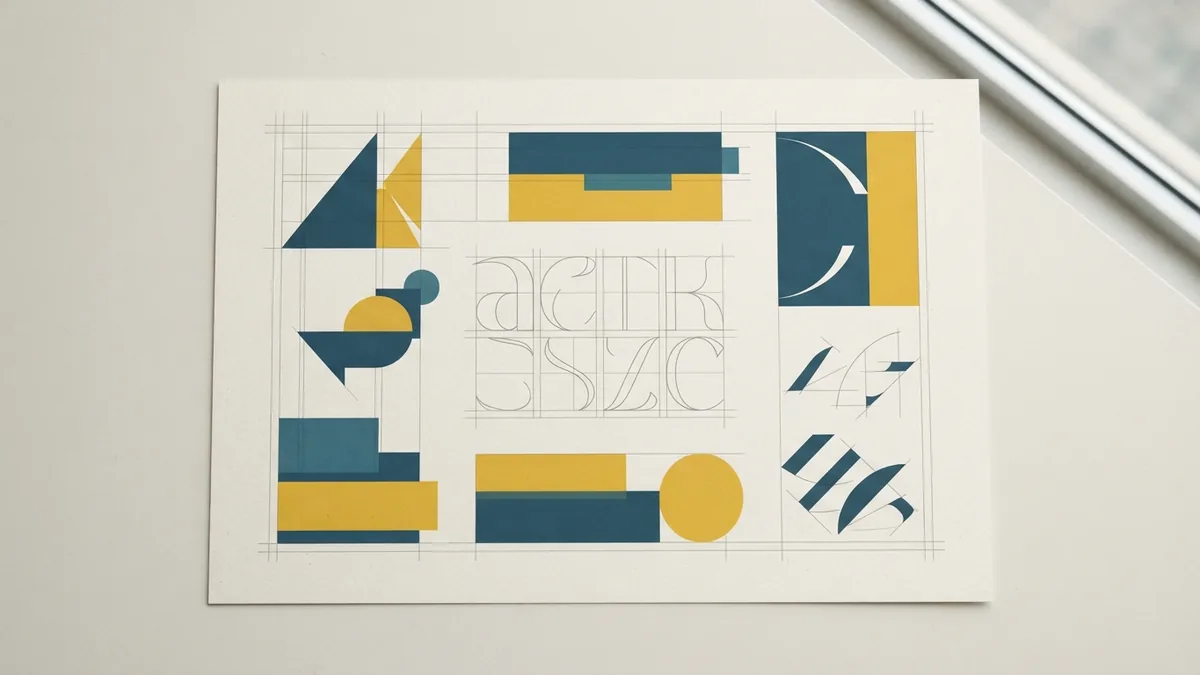
The elements of graphic design are the building blocks of a visual piece. They shape meaning, focus, and ease of use. The main elements include color, typography, imagery, layout, and space.
What is colour in graphic design? It is a visual tool that can set mood and show meaning. Color theory helps designers choose useful pairings. A warm orange may feel active, while a deep blue may feel calm.
What is typography in graphic design? It is the art of arranging type for clear reading and a fitting tone. A typeface is the design of a set of letters. Kerning adjusts space between two letters. Tracking adjusts space across a group of letters.
Leading controls the space between lines of text. A layout is the planned position of text, images, and other parts. A gutter is the gap between columns. A bleed extends artwork past the trim edge for clean printed results.
The main graphic design principles guide how these elements work together. They include balance, contrast, emphasis, movement, rhythm, repetition, unity, alignment, proximity, and proportion.
| Principle | Plain meaning | Useful result |
|---|---|---|
| Balance | Spreading visual weight across a design | A stable, calm page |
| Contrast | Making differences easy to notice | Clear focus and stronger reading order |
| Alignment | Placing parts along shared edges or paths | A tidy structure |
| Proximity | Grouping related parts near each other | Faster understanding |
| Repetition | Repeating useful styles or shapes | A consistent visual system |
What is balance in graphic design? It is the control of visual weight. What is contrast in graphic design? It is the use of difference to create focus.
What is visual hierarchy in graphic design? It is the order that guides the eye. Size, color, space, and type weight can show what matters first. This idea also applies to visual hierarchy in web design.
Other elements add depth. Line can divide areas or lead the eye. Shape can create symbols and blocks. Form suggests volume or depth. Texture adds a sense of surface. Value means how light or dark a color appears.
What is composition in graphic design? It is the way all parts fit within one frame. The rule of thirds can help place a key subject. Good composition supports the message without making the viewer work too hard.
Types of Graphic Design and Common Examples
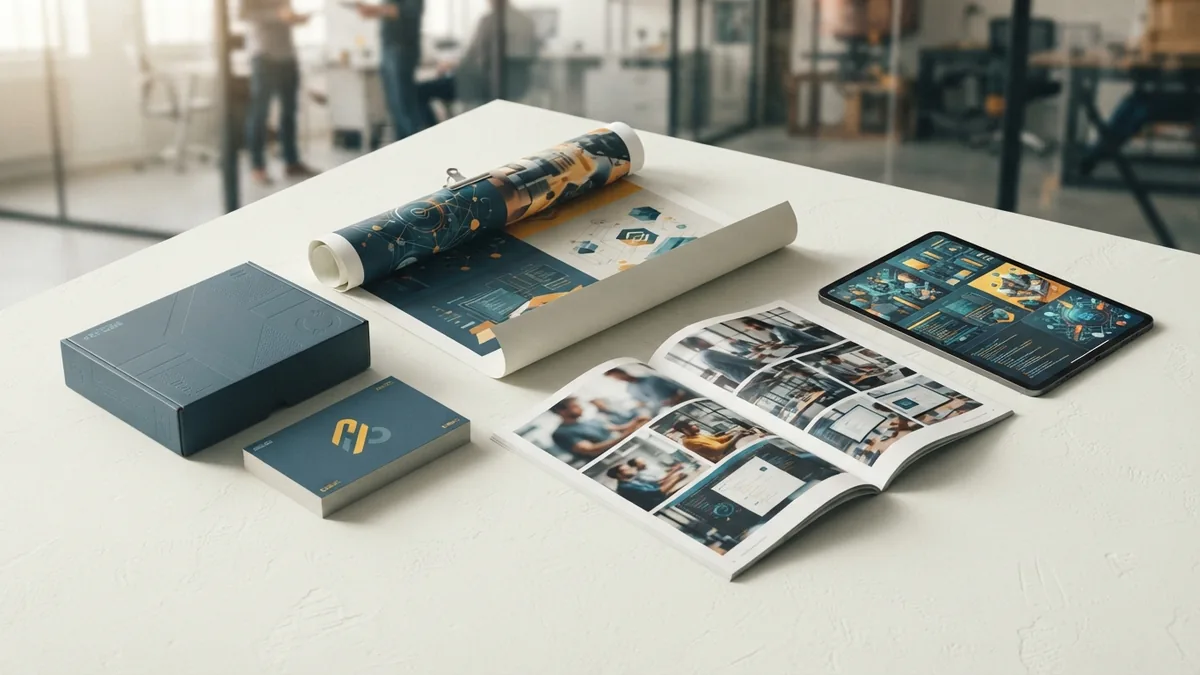
What is graphic design examples can mean many things. A logo, poster, menu, product label, and website banner all count. The types of graphic design often overlap within one project.
Branding and identity
Brand designers shape how an organization looks and feels. Their work may include logos, color systems, type choices, signs, and brand rules. These parts create a clear identity across many channels.
Marketing and advertising
Marketing designers create visuals that support sales or public awareness. They may produce ads, email graphics, social posts, brochures, and campaign pages. Each piece should catch attention and support a clear next step.
Publication and print design
Publication designers work on books, magazines, reports, catalogs, and newspapers. They plan page grids, headings, captions, and image placement. Print work also needs care with paper size, ink, and image quality.
Packaging and environmental design
Packaging designers shape boxes, bottles, bags, labels, and product inserts. The design must work on a shelf and in a buyer’s hand. Environmental graphic design shapes signs, maps, and spaces such as schools or offices.
Digital design and motion
Digital designers create banners, presentations, online graphics, and screen-based content. Animation can support graphic design when motion helps explain a message. What is graphic and web design? It is the work of shaping visual content for both brand and screen use.
What are mockups in graphic design? They are previews that show how a finished piece may look in use. A package mockup may show a label on a bottle. A poster mockup may place the design on a wall.
A mockup in graphic design helps clients review scale, fit, and visual impact. It does not replace the final production file. It gives the team a safer way to test a direction.
What Do Graphic Designers Do?
What do graphic designers do? They turn a brief into a visual solution. A brief states the goal, audience, message, format, and limits. Designers then gather facts and define the main problem.
What do you do in graphic design? You study the task, sketch ideas, and test visual choices. You may build a logo, edit an image, set type, or plan a page. Each choice should support the audience and goal.
The design process in graphic design often starts with research. It then moves through sketches, drafts, feedback, and final artwork. A thumbnail is a small rough sketch used to test ideas quickly.
Designers share their choices with clients and team members. They explain why a layout helps or why a color fits the brand. A critique is a review that tests the work against the brief.
Prepress prepares a file for print. It may include color checks, bleed, trim marks, and font checks. Digital work needs correct sizes, file types, and image quality.
- Read the brief and define the audience
- Research the topic and gather useful references
- Sketch several ideas before choosing one path
- Build and test the strongest design
- Review feedback and prepare the final files

Skills, Classes, and Careers in Graphic Design
Skills needed for graphic design include visual thinking, problem-solving, communication, and care with detail. Designers must turn a vague request into a clear visual plan. They also need to explain their choices in plain language.
What do you do in a graphic design class? You may study color, type, layout, image editing, and design history. You may also create posters, brand systems, books, websites, and portfolio pieces.
What do graphic design majors do? They build visual skills through guided projects and critique. They learn to use design software, prepare files, and present their work. The major for graphic design is often called graphic design, visual communication, or communication design.
What education is needed for graphic design depends on the role. A degree can provide structure, feedback, and access to mentors. Short courses and strong self-led work can also help in some fields.
Some roles ask for a certificate. To get certified in graphic design, choose a known software or school program. Check its course work, exam rules, and employer value before paying.
- Brand designer
- Layout or publication designer
- Packaging designer
- Web or digital designer
- Illustrator or motion designer
- Art director or creative director
- Graphic design consultant
What are some careers in graphic design? These roles cover brand work, print, digital content, illustration, and team leadership. Agency work offers varied clients. In-house work gives deeper knowledge of one brand.
Is graphic design competitive? Yes, entry roles can draw many applicants. A focused portfolio, clear case studies, and strong writing can help you stand out. Graphic design is worth it when you enjoy visual problem-solving and steady practice.
How Graphic Design Connects With UX Design
Graphic design and user experience design both shape how people meet a product. Graphic design often focuses on visual meaning, tone, and clarity. UX design also studies tasks, needs, flow, and ease of use.
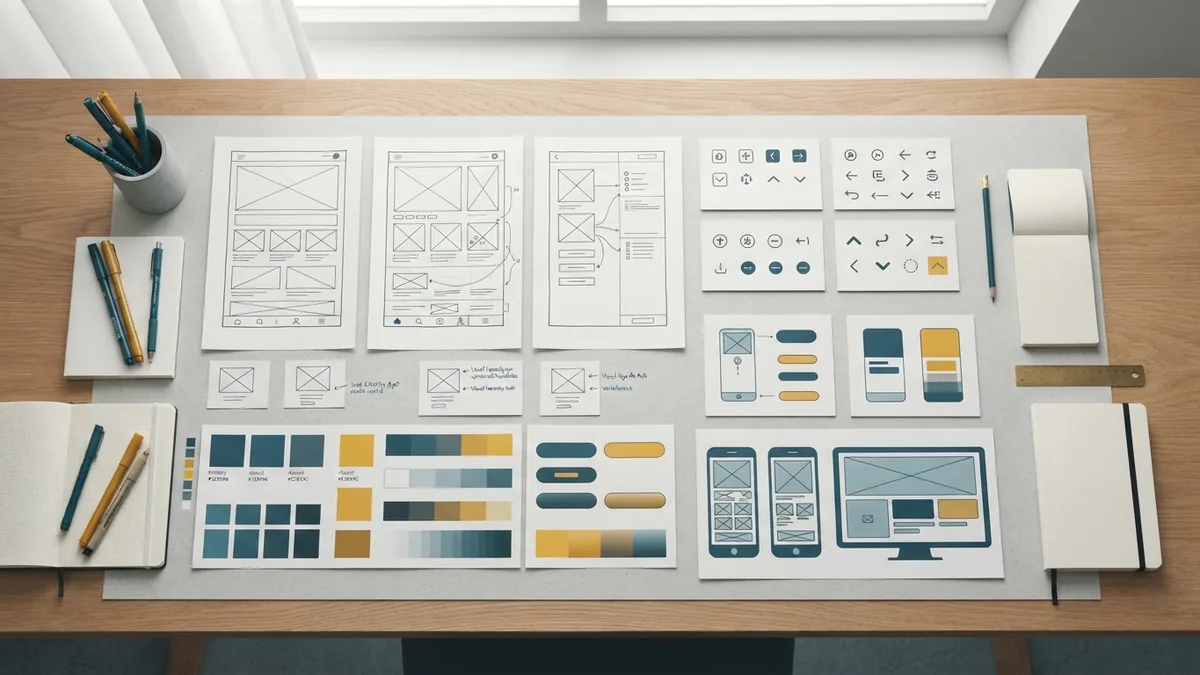
A UX team may start with a wireframe. A wireframe is a simple plan for a screen’s content and controls. A graphic designer then helps set type, color, icons, images, and visual order.
What is an icon in graphic design? It is a small symbol that represents an action, object, or idea. Good icons work with labels and clear spacing. They should not force users to guess.
What is graphic design in computer work? It is the creation of visual assets with digital tools. Adobe programs such as Photoshop, Illustrator, and InDesign serve different tasks. Illustrator is often best for vector artwork, while InDesign suits page layouts.
Vectors are shapes that can scale without losing sharpness. They work well for logos, icons, and signs. Raster files use pixels and suit photos, but they can blur when enlarged.
The Future of Graphic Design
The future of graphic design will bring more tools, faster drafts, and wider formats. Designers may work across print, web, video, spatial signs, and interactive products. Human judgment will still guide tone, meaning, and audience fit.
New tools can speed up rough work. They do not replace a clear brief or sound design thinking. Designers still need to check facts, rights, accessibility, and brand rules.
How can you be creative in graphic design? Start with a real problem instead of a blank page. Change one variable at a time. Study why a design works, then test your own version.
The best work will link craft with purpose. It will help people find, understand, trust, and use information. That is what graphic design is all about.
Frequently asked questions
What is a design-to-code handoff?
It is the process of moving component specifications, tokens, and states from a design system into production code with matching behaviour and accessibility.
Who owns a component after launch?
A single named owner — usually a design-system engineer or the pod that shipped it — is responsible for triaging changes, deprecations, and upgrades.
How detailed should design tokens be?
Detailed enough that no colour, radius, spacing or motion value is redefined in application code. Semantic tokens should reference primitive tokens.
When is visual regression testing worth the cost?
As soon as a component appears on more than one page — screenshot diffs catch unintended visual shifts that unit tests never see.
Share this article
Related articles


Building something similar?
Tell us about your product — we respond within one business day with a concrete next step.