Car Brands with Star Logos: Meanings and History
Learn which car brands use star logos, what the stars mean, and how these designs evolved. Includes Mercedes, Subaru, Chrysler, and more.
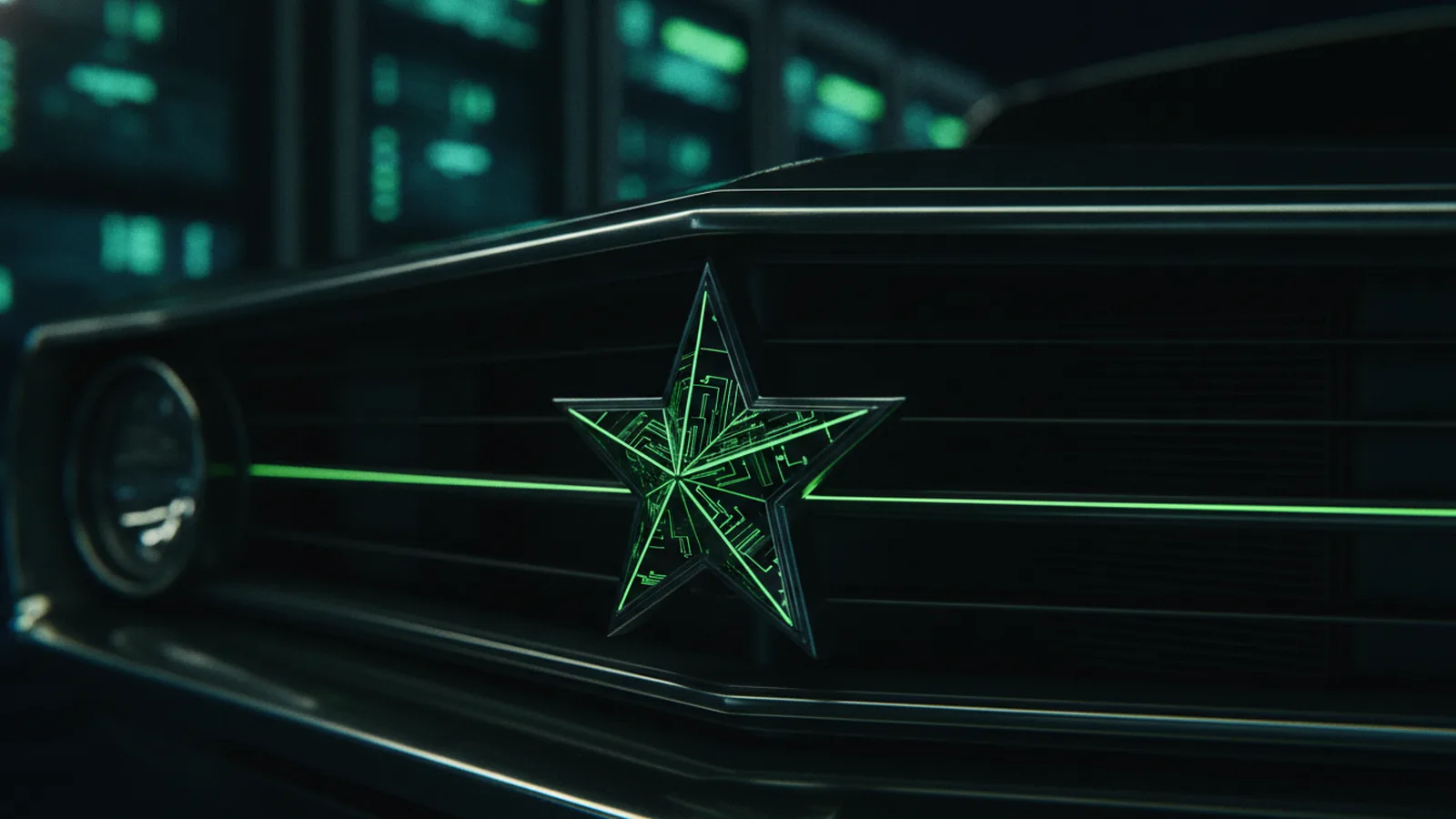
Famous car brand star logos, and what the stars usually mean
If you are asking what car brand has a star logo, you will most often find one idea: stars signal quality, trust, and a high-end position. In automotive branding, a star can also hint at precision and engineering, or a heritage rooted in a specific place or group. When you look at star logo car brands side by side, the details matter. Star count, points, shape, and how the star is drawn all change the meaning.
Some brands use stars as a straightforward symbol of excellence. Others encode history, like a group of companies coming together. Still others keep the star as a performance cue, while modernizing the rest of the mark. This is why star logo car brands feel both classic and adaptable over time.
- Mercedes-Benz: three-pointed star for luxury and German engineering.
- Subaru: six four-pointed stars for its founding companies and the Pleiades.
- Chrysler: pentastar tied to five divisions, later replaced.
- Polestar: minimal four-point star for modern performance heritage.
- Venucia: five stars representing the “Morning Star” and quality focus.
- Englon: star elements reflecting classic British automotive styling.
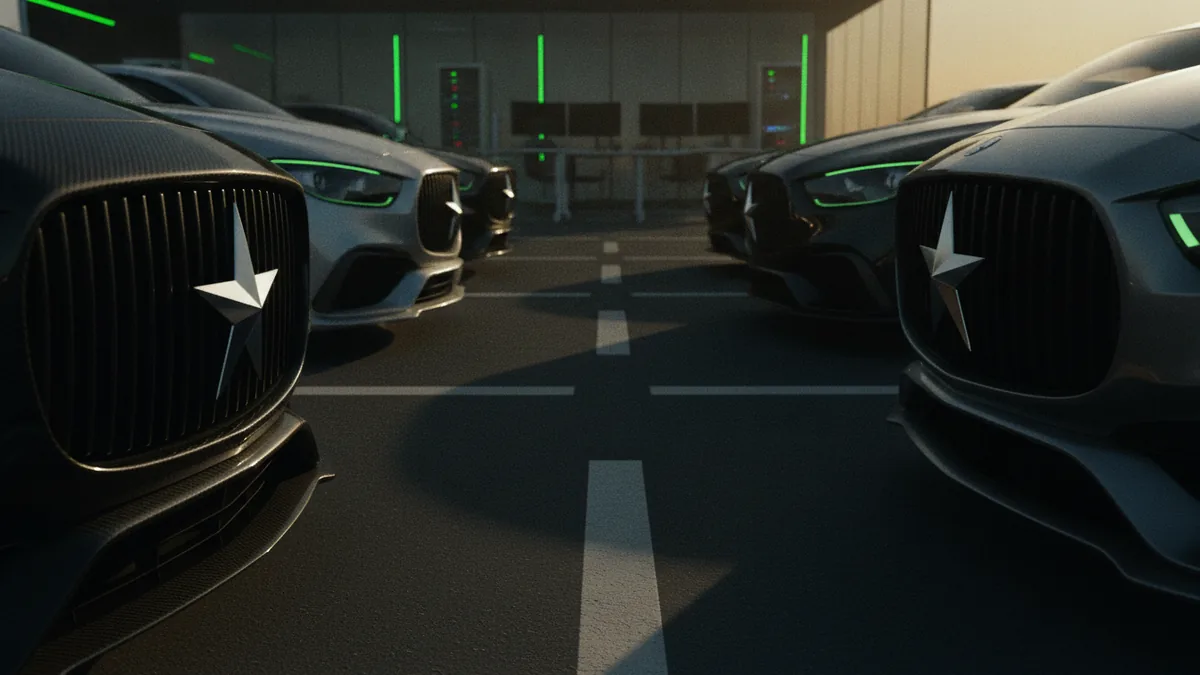
Where star logos in car branding came from
Star symbols show up in business long before cars. Early uses often linked stars to navigation, guidance, and reaching a “better place.” In branding, the star also reads as a badge of status. People associate stars with awards and excellence, even outside automotive culture.
In logo design history, stars became a compact way to communicate ambition. A star can fit inside a badge, circle, or grille emblem without losing clarity. That is a major practical reason many automotive brands adopted them. Mark visibility matters on a vehicle moving at speed, where simple shapes survive better.
As corporate visual identity matured in the 20th century, many companies used symbols to unify product lines. A star could represent a single brand promise or a whole corporate structure. That is why you see both “one star equals one value” and “star geometry equals corporate history” approaches.

A brand-by-brand breakdown of key star logos
Star logo car brands vary in how literal they are. Some designs are purely symbolic, while others encode specific details like number of points. Below are clear examples of how star geometry and brand narrative connect.
Mercedes-Benz star logo
The Mercedes-Benz star is a three-pointed star. It represents luxury and the idea of German engineering working across land, sea, and air. The shape is iconic because it stays recognizable at small sizes, from steering wheel emblems to wheel caps.
That consistency is part of Mercedes-Benz star logo power. The brand identity keeps the star stable while the surrounding badge can change with each vehicle era. This “fixed symbol, flexible frame” is common in corporate visual identity.
Subaru star logo
The Subaru star logo features six four-pointed stars. The six stars reference the six companies that formed Subaru. The same design also points to the Pleiades star cluster, which gives the logo a strong identity anchor in nature.
Subaru’s choice shows a key principle in symbolism in logos. The star motif is not just a generic emblem of excellence. It has a specific origin story, encoded directly in the number of stars.
Chrysler’s pentastar (historical use)
Chrysler previously used a pentastar logo with five points. In its earlier meaning, the pentastar represented five divisions. Later, Chrysler shifted toward newer modern designs that reduced the emphasis on the original corporate structure symbol.
This is a helpful case when you study evolution of car logos. Even when a star carries real history, brands may simplify to match new design language, new markets, or new product plans.
Polestar’s minimalist four-point star
Polestar uses a minimalist four-point star. The mark reflects a modern approach while tying to performance heritage. Minimal shapes can also feel more “engineering-clean,” which aligns with a tech-forward brand voice.
Polestar’s design shows how modern brands keep the star but reduce visual noise. Fewer lines often makes a logo work better across apps, charging hardware, and vehicle branding materials.
Venucia’s “Morning Star” concept
Venucia ties its logo to the “Morning Star.” The design uses five stars to symbolize commitment to quality. The star count here functions like a promise badge, not a historical chart.
Venucia’s approach is still rooted in symbolism in logos. The star is a hopeful image, and the repetition supports a message of consistent standards.
Englon and a classic British style link
Englon features a logo with stars that connects to classic British automotive style. The star motif fits the brand identity goal of blending heritage cues with a modern brand presence. When a brand borrows styling cues from classic eras, stars help signal tradition.
Even if the exact story is less widely documented than some global giants, the design choice still matters. Star elements add a “badge” feel, which supports the classic identity angle.
Historical brands: Pontiac and Jeep
Some historical brands used star logos to express unique identity and heritage. Pontiac is known for its era-defining emblem language, which included star-like forms in certain marks. Jeep also used star elements at different points, reinforcing identity during specific branding phases.
The key takeaway is that star usage in automotive branding often changes with leadership and product focus. A star can be a faithful companion through multiple generations, or it can mark a specific era.
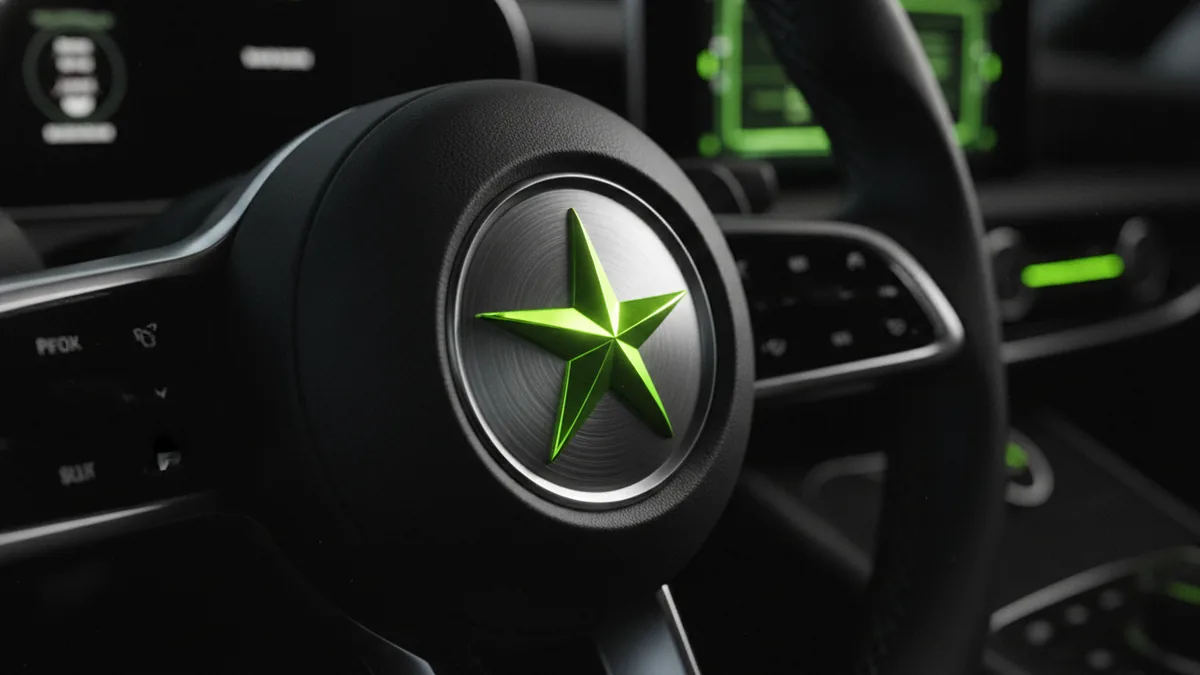
Symbolism behind star logos: the meanings you can actually decode
When you see a car brand with a star logo, your job is to look past the “star = good” assumption. Star logos often communicate one of three things: excellence, origin story, or direction.
First, excellence is the most common. Stars can function like a rating or an award, which makes them easy for people to trust. Second, origin story shows up when the star count matches founding groups, divisions, or key events. Subaru’s six stars are a clean example of this “count equals meaning” design.
Third, direction and reach show up when star designs align with movement or coverage. Mercedes-Benz uses the three-point idea to reinforce land, sea, and air. Even when modern audiences do not know the full story, the symbol still feels expansive.
| Design detail | Common meaning in automotive branding | Example |
|---|---|---|
| Star count | Founding groups, divisions, or shared values | Subaru’s six stars |
| Star points | Corporate structure or crafted symbolism | Chrysler’s pentastar history |
| Minimal vs ornate | Heritage vs modern simplicity | Polestar’s minimalist approach |
| Context badge shape | Status and visual stability on vehicles | Many grille and wheel emblems |
Evolution of car star logo designs over time
Car logos do not stand still. They evolve because manufacturing changes, materials change, and brand identity needs to scale. That is where evolution of car logos becomes obvious for star marks.
Older star logos often appear as thick, emblem-like badges. They were designed for metal stamping and bold visibility. As digital branding grew, logos had to look sharp on screens. That pushed brands toward cleaner geometry, thinner outlines, and stronger negative space.
Another driver is corporate restructuring. When companies merge, expand, or reposition, stars tied to divisions may no longer fit the story. Chrysler’s historical pentastar meaning is a clear example of that tradeoff. When the company moved on, the logo design moved with it.
Examples beyond automotive brands: why stars are popular everywhere
Star symbols are not limited to automotive branding. You can find star logos in many categories because the symbol is flexible and instantly understood. People already recognize stars as a sign of approval and excellence.
For instance, you may spot what clothing brand has a star logo in premium streetwear and luxury lines. You might also notice what shoe brand has a star logo in athletic brands that want a performance signal. Even when the meaning differs, the core idea stays similar: stars help brands feel credible and aspirational.
These cross-industry uses help explain why star logo car brands benefit from global familiarity. When consumers see a star, they often know the “role” the mark wants to play. The best designers still add a unique twist, like Subaru’s Pleiades reference or Mercedes-Benz’s land-sea-air concept.
Conclusion: star logos in branding are about meaning you can see
Star logos are powerful because they combine simplicity with depth. A car brand with a star logo can communicate luxury, engineering, heritage, or founder history without words. That is why star logo car brands stay recognizable across generations.
To understand what each brand really means, focus on measurable design choices. Count the stars, note the point shape, and look for how the mark fits the brand identity. In many cases, the geometry tells you the story.
When you compare multiple automotive brands with star logos, the pattern becomes clear. Some use stars as a generic excellence badge. Others encode a corporate narrative, then evolve the logo for new eras and new channels.
If you are building or auditing a logo design system, star marks are a useful reference point. They show how one symbol can stay stable while the surrounding elements adapt.
Frequently asked questions
- What car brand has a star logo and what does it mean?
- Mercedes-Benz is a well-known example. Its three-pointed star symbolizes luxury and German engineering across land, sea, and air.
- Which star logo car brands are known for meaningful star counts?
- Subaru is the clearest case. Its logo uses six four-pointed stars tied to its formation and the Pleiades cluster.
- Did Chrysler ever use a pentastar logo?
- Yes, Chrysler previously used a pentastar. It represented five divisions before the brand moved to newer logo designs.
- What does the Polestar four-point star represent?
- Polestar uses a minimalist four-point star. The mark reflects a modern take while tying to performance heritage.
- Is a star logo only for automotive brands?
- No. Stars also appear in clothing and shoe branding because they read as quality and approval symbols.
- Why do star logos evolve over time?
- They change due to digital needs, manufacturing methods, and shifting corporate identity. Brands may simplify designs even when the star symbol remains.
Related reading

Can You Use a Company Logo Without Permission? Legal Implications
Fair use is narrow. Learn logo risks, legal limits, and safer alternatives.

How to Get a Nike Logo for Cricut (SVG + Illustrator)
Get Nike logo SVGs for Cricut or make one in Illustrator, then cut clean with smart settings.

Logo vs Symbol: Definitions, Similarities, and Design Differences
Logo vs symbol: definitions, similarities, and real branding examples.